
A hot water cylinder installed without correct expansion vessel sizing, an improperly configured pressure relief valve, or a thermostat set outside the recommended range is not just an underperforming system, on an unvented installation it is a Building Regulations breach. At EBT Build, every hot water cylinder installation is carried out by G3 qualified engineers, sized correctly for the property’s hot water demand, and commissioned to UK Building Regulations before a compliance certificate is issued and the system is handed over.
We install, replace, and repair vented and unvented hot water cylinders for homeowners, landlords, and commercial clients across Islington, Camden, Hackney, Haringey, and surrounding North London areas as part of our wider plumbing and heating services. Every project is completed by our own G3 qualified engineers with no subcontracting, and every job is priced in writing after a free site assessment before any work begins.
Certified engineers for all gas work, safety checks, boiler installations, and compliance.

Electrical work carried out, tested, and certified to current UK regulations.
Public & employer liability insurance in place for complete peace of mind.
Consistently rated for workmanship, reliability, and project management.
Delivering home refurbishment and roofing projects with controlled processes, certified trades, and accountable project management.
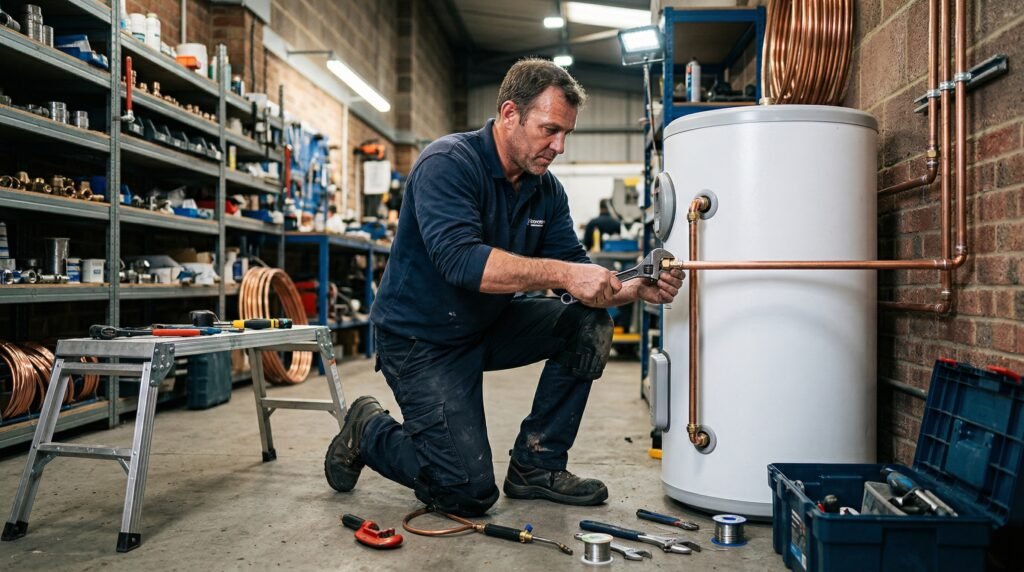
Our hot water cylinder installation service includes safe removal of old tanks, secure positioning of the new unit, and integration with your boiler or heat pump. All unvented systems are installed by a G3 qualified engineer following UK Building Regulations.
We also configure expansion vessels, pressure relief valves, immersion heaters, and thermostats. Every system is pressure tested, commissioned, and balanced before handover. Most cylinders are connected directly to modern boiler installation and servicing systems for reliable heating and water supply.
We install direct and indirect hot water cylinders across North London including unvented mains pressure systems, vented gravity fed systems, and heat pump compatible units. Unvented cylinders deliver stronger water flow without a loft storage tank, while vented systems are specified where mains pressure installation is not practical. Both system types require correct thermostat setup, safety valve configuration, and expansion vessel sizing before commissioning, and all work follows Gas Safe Register standards and UK Building Regulations compliance. Hot water from cylinders is used across all taps, showers, and kitchen plumbing systems and every unit is sized correctly for the property’s hot water demand before any installation is agreed.
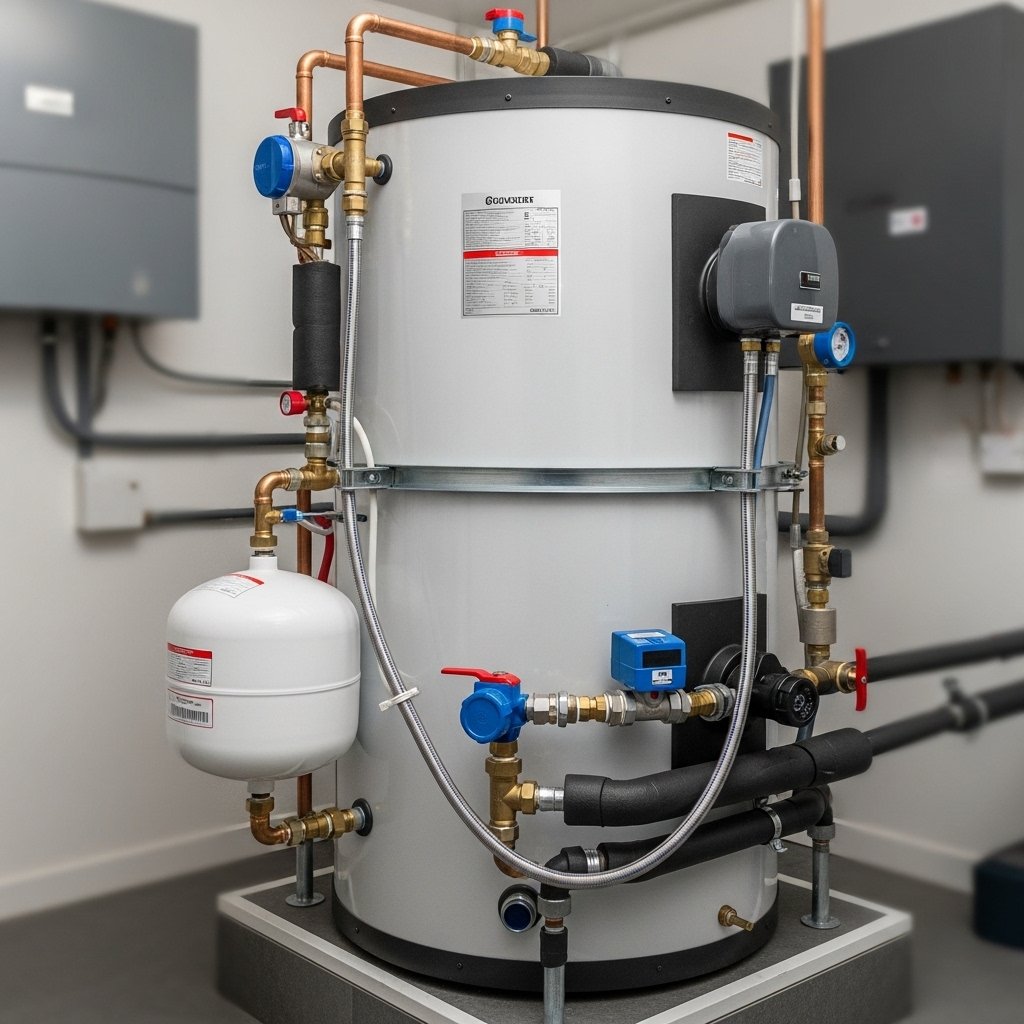
We install unvented hot water cylinders on mains pressure systems across North London where stronger water flow and elimination of the cold water storage tank are required. Every unvented installation is carried out by a G3 qualified engineer, includes correct expansion vessel sizing, pressure relief valve configuration, and tundish installation, and is documented with a Building Regulations compliance certificate on completion.
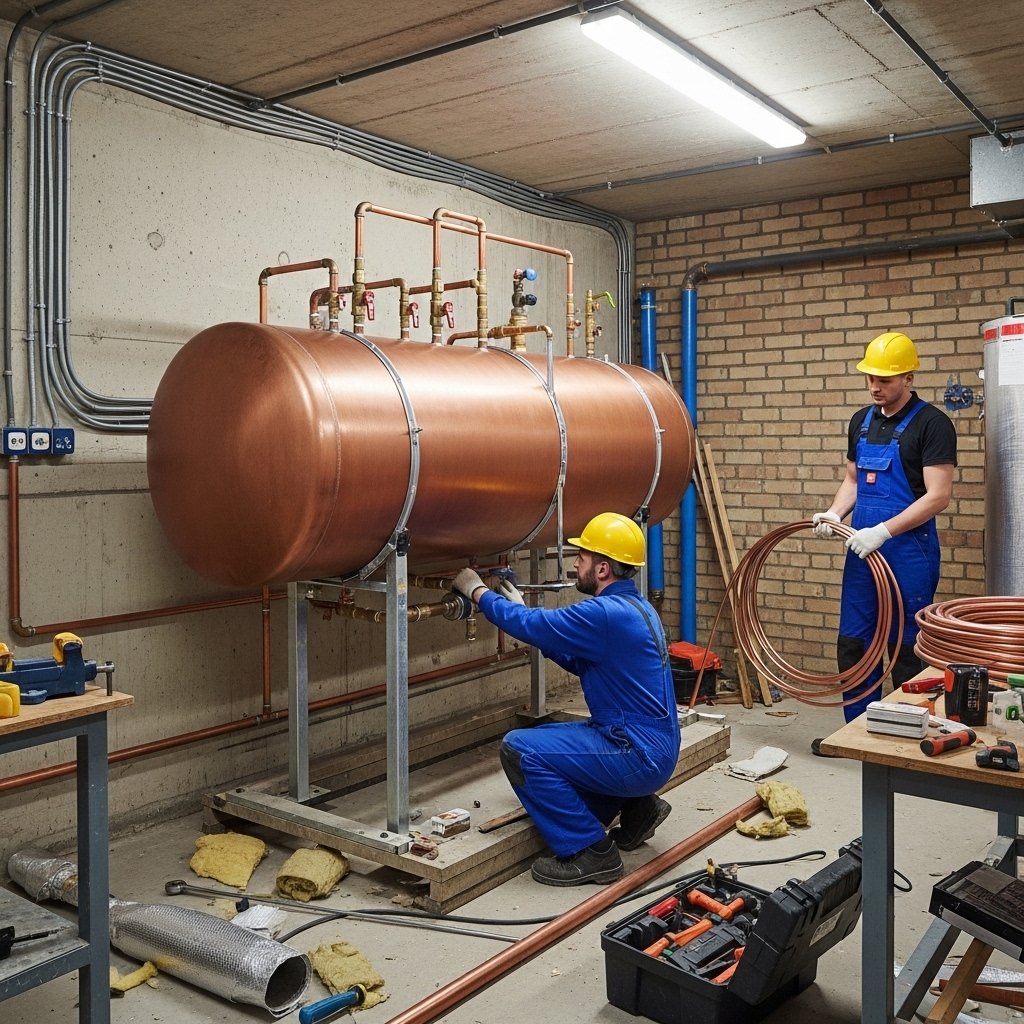
We install vented hot water cylinders on gravity fed systems across North London where a cold water storage tank is already in place or where a mains pressure system is not suitable for the property. Every vented installation includes correct coil sizing for the heat source, thermostat setup, and immersion heater fitting where required before the system is commissioned.
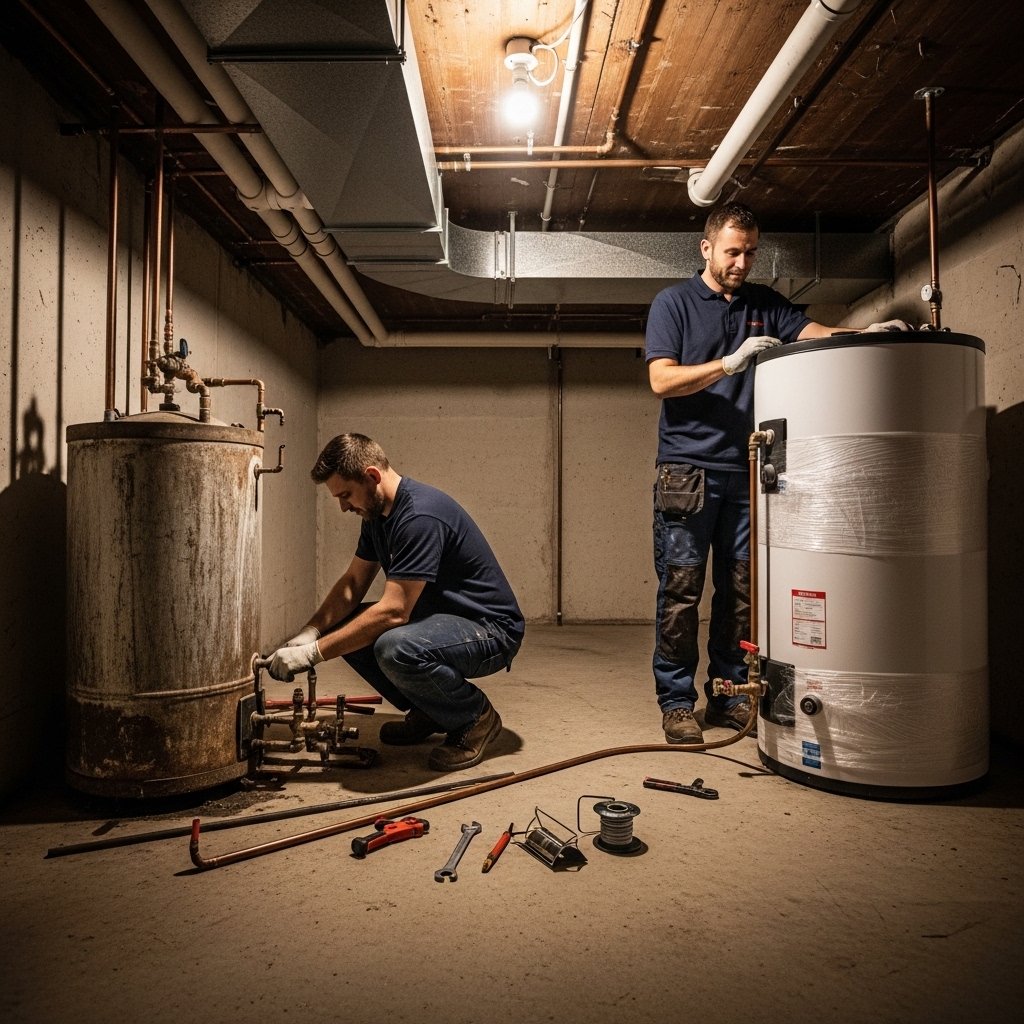
We carry out like for like and upgrade cylinder replacements across North London where the existing unit has failed, is leaking, or is no longer heating water efficiently. Every replacement includes full drain down, safe removal of the old cylinder, assessment of the existing pipework and connections, and installation of the new unit with correct safety valve and thermostat configuration.
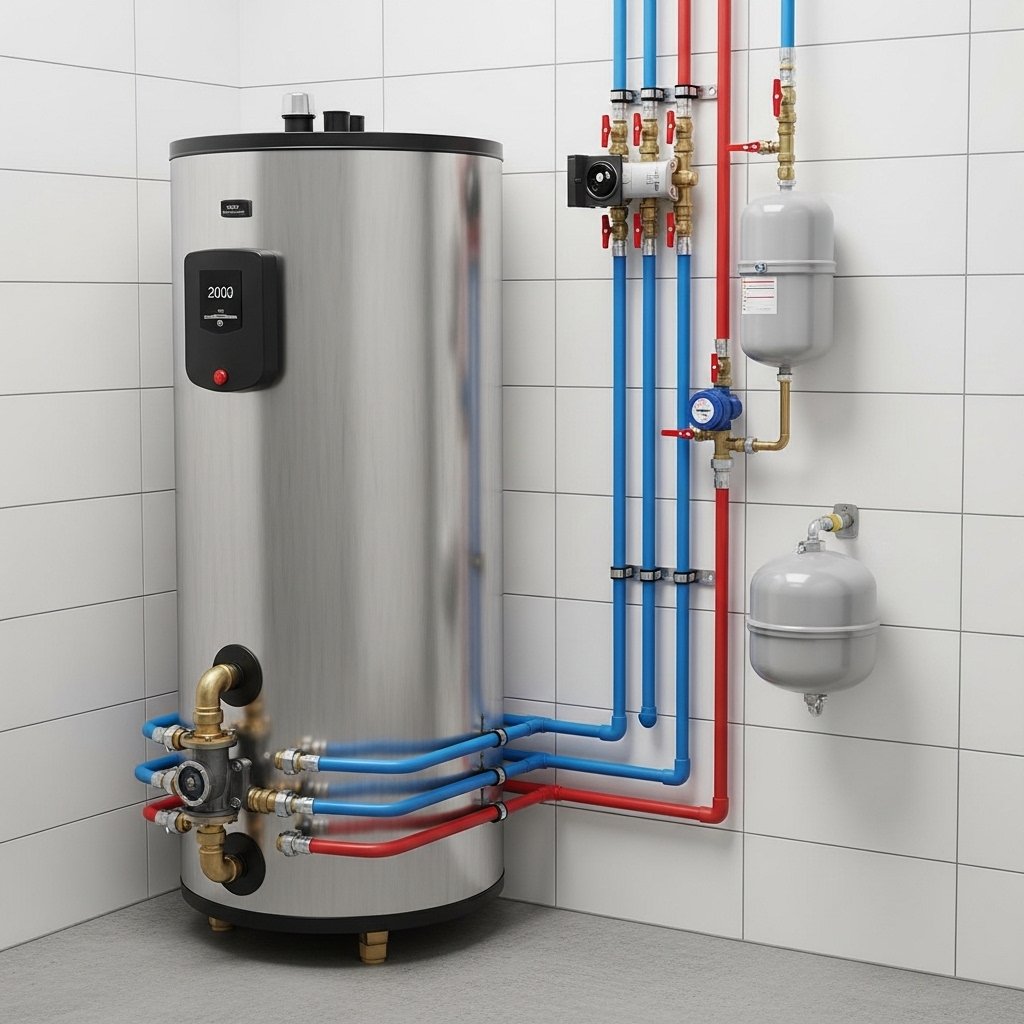
We install heat pump compatible hot water cylinders on properties across North London where air source or ground source heat pumps are being installed or upgraded. Heat pump cylinders require larger coil surface areas and lower temperature operation than standard cylinders and every installation is specified correctly for the heat pump output before any unit is ordered or fitted.
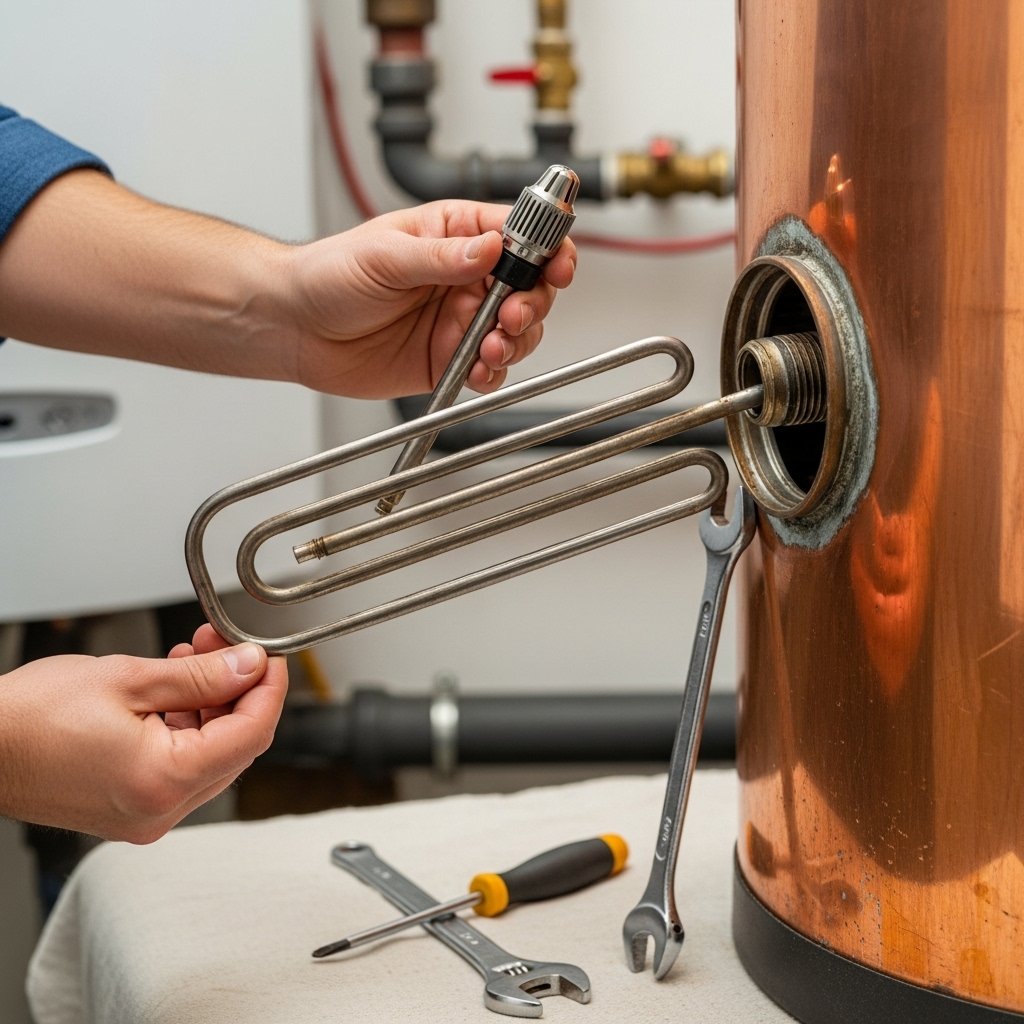
We carry out immersion heater and thermostat replacements on existing hot water cylinders across North London where the heating element has failed, the thermostat is not maintaining the correct temperature, or where an upgrade to a more energy efficient element is required. Every replacement includes a full cylinder condition assessment before the new component is fitted.
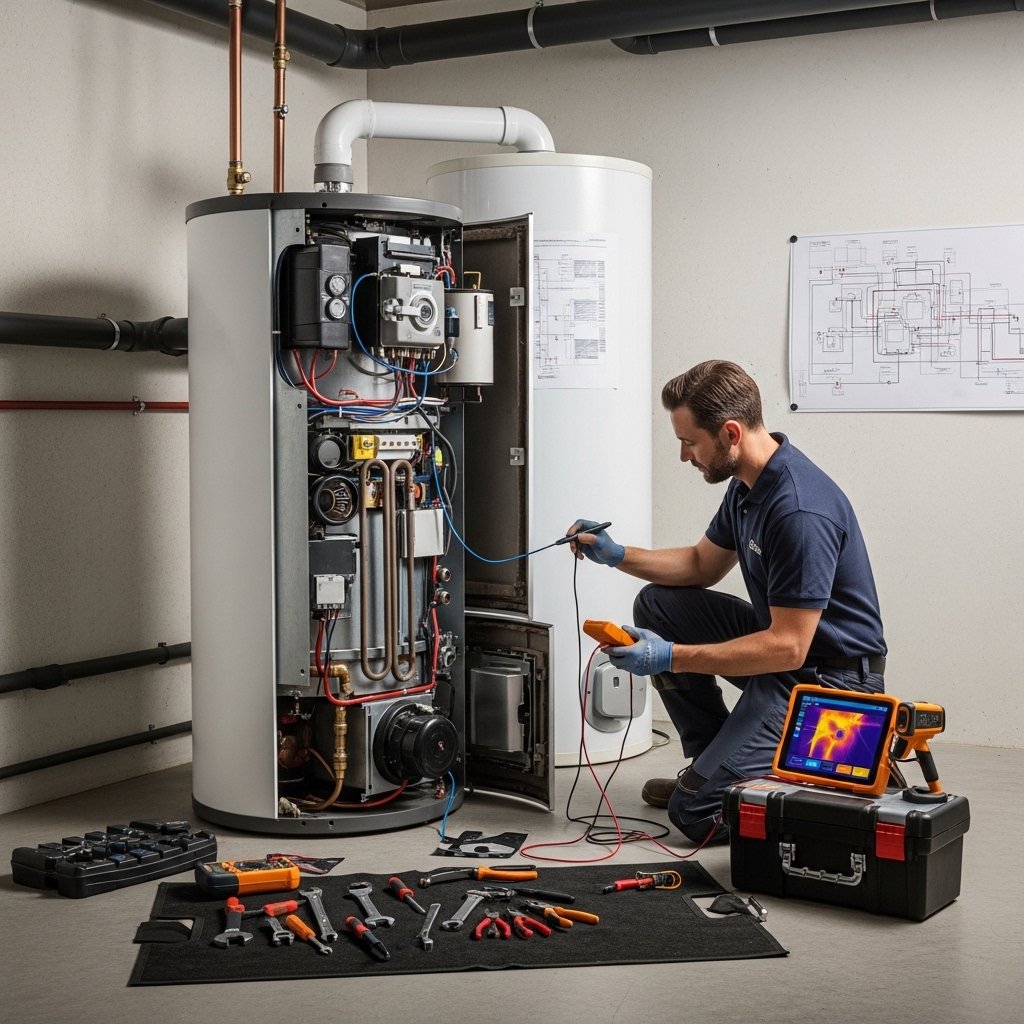
We carry out hot water cylinder repairs and fault finding across North London on vented and unvented systems where the cylinder is losing pressure, not reaching temperature, making noise, or leaking at connections or safety valves. Every repair starts with a full system diagnostic before any component is replaced to confirm the cause of the fault before any work begins.
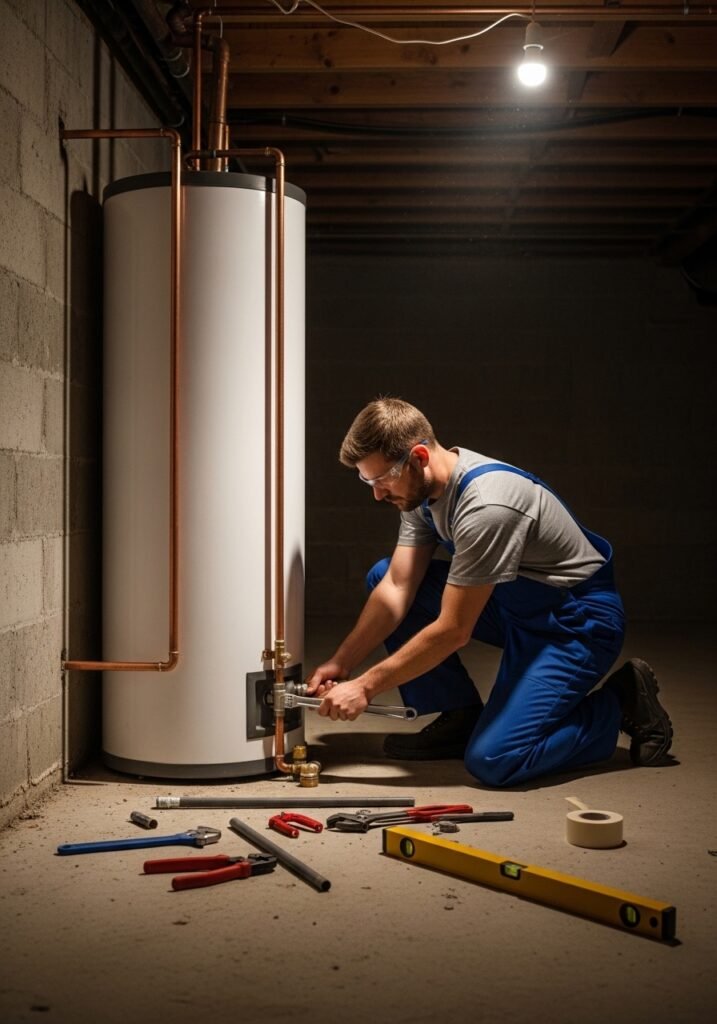
An unvented hot water cylinder installed without G3 qualification, incorrect expansion vessel sizing, or a pressure relief valve that has not been set correctly is a Building Regulations breach and a safety risk. These are not minor oversights — an incorrectly installed unvented cylinder operating without proper pressure relief can cause serious structural damage. At EBT Build, every unvented cylinder installation is carried out by G3 qualified engineers, documented with a Building Regulations compliance certificate, and fully commissioned before handover.
We install, replace, and repair vented and unvented hot water cylinders across Islington, Angel N1,Camden, Hackney, Haringey, and surrounding North London areas for homeowners, landlords, and commercial clients. Where properties also require underfloor heating, we assess cylinder compatibility and hot water demand as part of the same installation plan. Every project is completed by our own qualified engineers with no subcontracting, and every job is priced in writing after a free site assessment before any work begins.
EXCELLENTTrustindex verifies that the original source of the review is Google. EBT build are one of the companies out there. Tili and EBT build team are very hard working people and reliable. They refurbished my flat in Chalk Farm, including a new kitchen, bathroom, doors, skirting, plastering, painting and decorating. Everything was completed to a very high standard. I really appreciate they workmanship and professionalism, and i highly recommend them to anyone looking for a reliable companyPosted on GoogleTrustindex verifies that the original source of the review is Google. Punctual, tidy, responsive, fast and did a great job, fixed exactly what we needed them to.Posted on GoogleTrustindex verifies that the original source of the review is Google. Fantastic! Highly recommend. Completed the job above expectations, quick, tidy and a pleasure to deal with.Posted on GoogleTrustindex verifies that the original source of the review is Google. We had an amazing experience with EBT Build for our home refurbishment project in Islington. From start to finish, the team was professional, efficient, and incredibly skilled. They kept us updated throughout the whole process and made sure every detail was done to the highest standard. We’re absolutely thrilled with the final result – our home has been transformed exactly how we imagined it. Highly recommend!Posted on GoogleTrustindex verifies that the original source of the review is Google. "We are extremely glad we chose EbT. From start to finish, they maintained excellent communication, worked diligently, and delivered an exceptional standard of workmanship. We could not fault the entire process—they offered great value, and we would not hesitate to recommend them or use their services again in the future. They completed outstanding work across all areas: roofing, plastering, painting and decorating, new bathroom installations, new kitchen installations, full property plastering, and complete rewiring. Every aspect of the work was finished to a very high quality."Posted on GoogleTrustindex verifies that the original source of the review is Google. Fantastic team at EBT Build Ltd — superb from start to finish on our full home refurbishment. Would we use them again? Definitely YES. Would we recommend them? Absolutely. They understood exactly what we wanted, gave great ideas, and the end result exceeded our expectations. Quotes were clear, and any changes were handled smoothly. All tradesmen were skilled, polite, and respectful of our home — always leaving everything clean. The whole project was managed perfectly. We’re so happy with the work and highly recommend EBT Build Ltd for any job.Posted on GoogleTrustindex verifies that the original source of the review is Google. EBT Build are a real credit to the building trade. They carried out full refurbishments and roofing work on my property in Hackney, finishing everything to an excellent standard — including new kitchens, bathrooms, all electrics and plumbing, complete redecoration throughout, plus all roofing work. The whole team were professional, well organised, and their attention to detail really made a difference from start to finish. The end result was absolutely cracking, and I would happily recommend EBT Build to anyone looking for a reliable, quality refurbishment and roofing company.Posted on GoogleTrustindex verifies that the original source of the review is Google. EBT Build Ltd is one of the best building companies I have worked with. They completed our kitchen refurbishment, bathroom refurbishment, plastering, painting and decorating, along with all the finishing works to a very high standard. The team was professional, reliable and easy to deal with throughout, and the quality of the workmanship was excellent. I would highly recommend EBT Build Ltd to anyone looking for a trustworthy builder.Posted on GoogleTrustindex verifies that the original source of the review is Google. EBT Build carried out a loft conversion and refurbishment works at our property in Islington, and the quality of their work was very good. They regularly checked that we were happy with the progress at every stage of the project. The team always arrived when they said they would, worked full days, and were professional, resourceful, and cheerful throughout. The work was completed efficiently and to a high standard, with great attention to detail. At the end of each day, the work area was left clean and tidy. EBT Build are definitely one of the better building firms we have dealt with over the years, and we would have no hesitation in recommending them. We will certainly use them again for future projects.Posted on GoogleTrustindex verifies that the original source of the review is Google. EBT team renovated my bathroom and kitchen to a fantastic standard. They were really professional and efficient. Could not recommend more! Thank you to the whole team but especially Tilly!Verified by TrustindexTrustindex verified badge is the Universal Symbol of Trust. Only the greatest companies can get the verified badge who has a review score above 4.5, based on customer reviews over the past 12 months. Read more

Every project begins with inspection of pipework, thermostat settings, and system pressure. The old tank is drained and safely removed.
Includes: Water isolation, Tank drain down, Pipe disconnection, Pre-installation checks
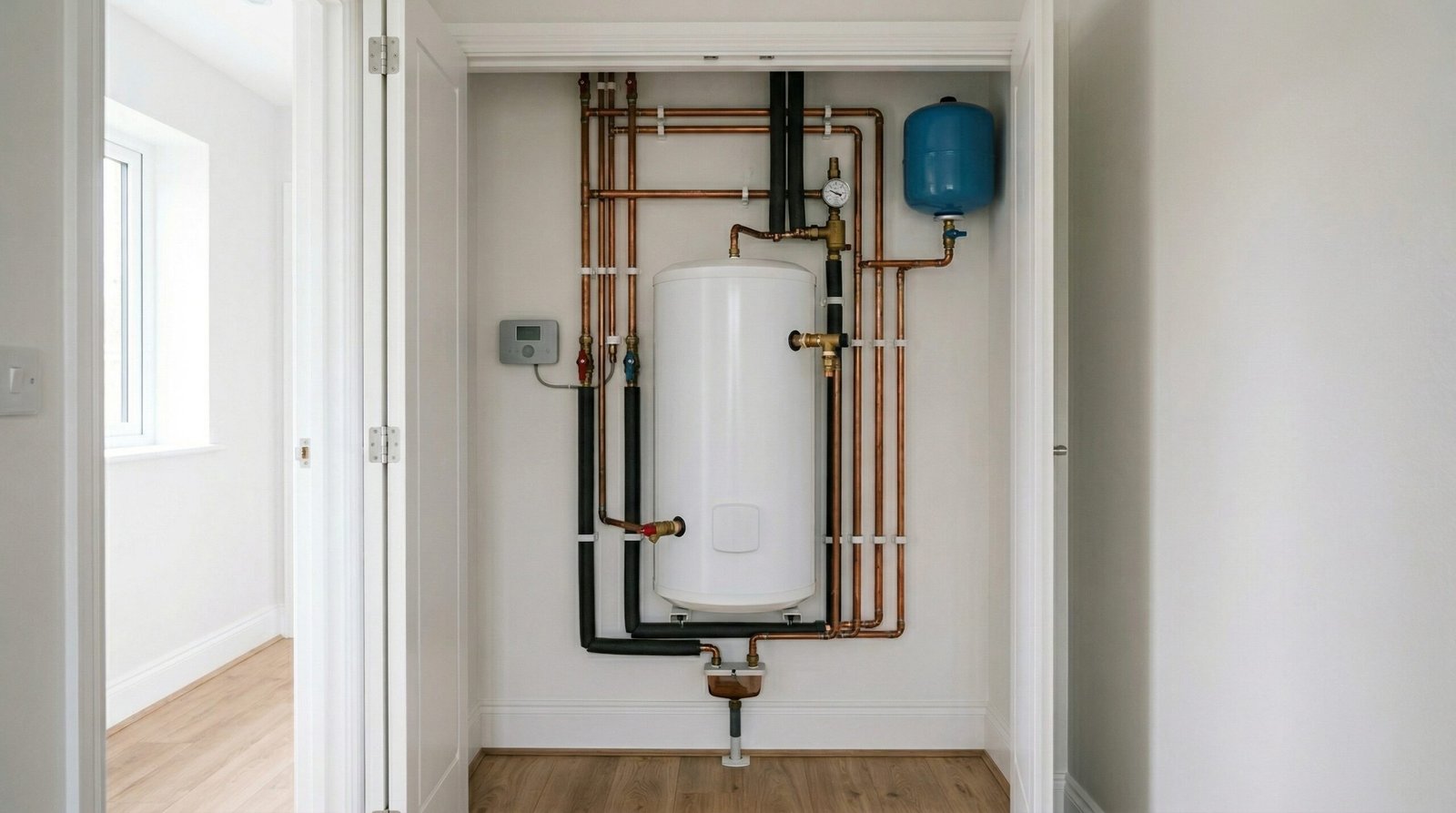
We refill the system, remove air, and verify pressure and temperature performance before final sign-off.
Includes: Pressure testing, Thermostat calibration, Leak checks, Compliance documentation
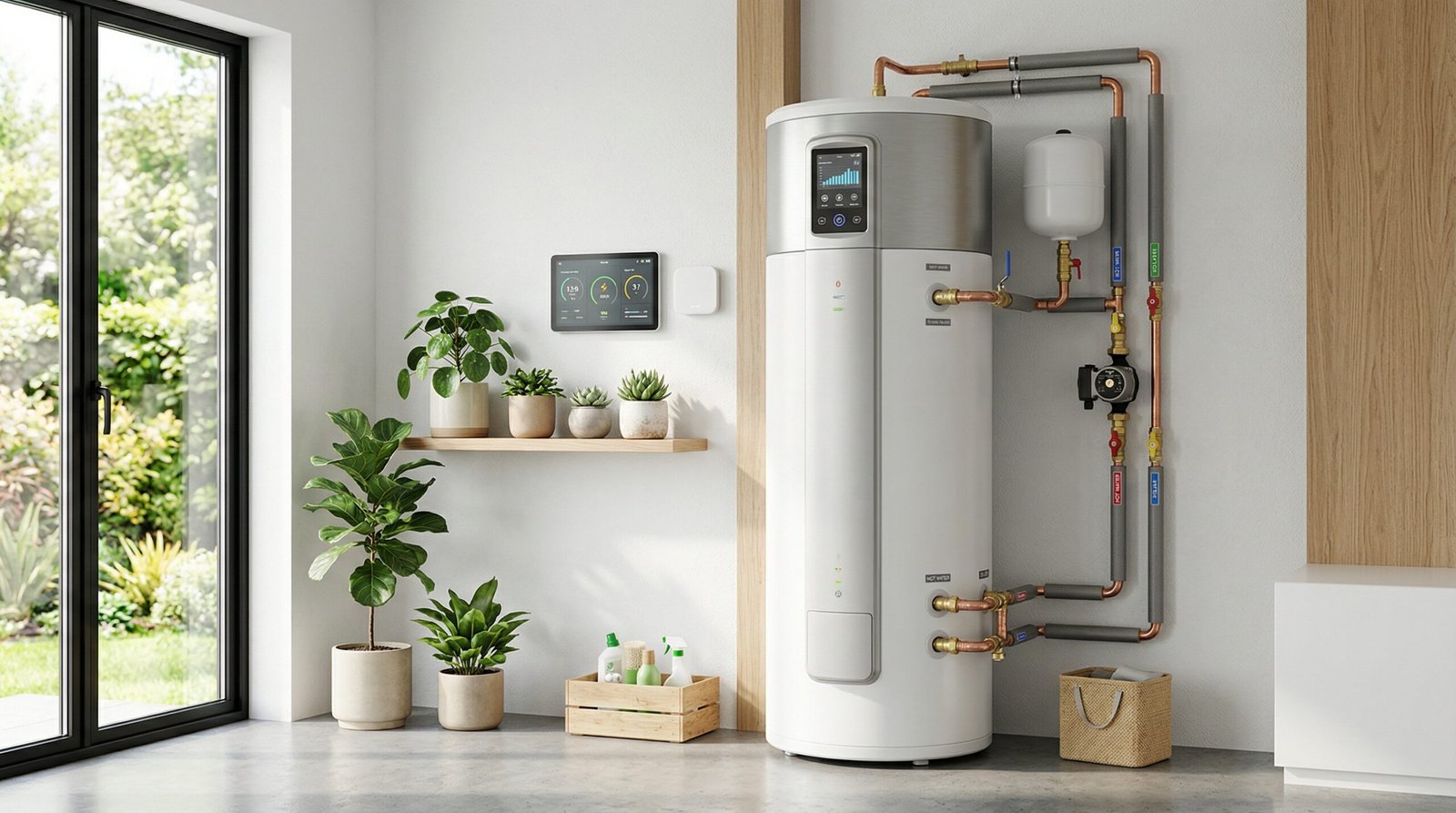
The new unit is positioned, secured, and connected to the heating system and cold feed supply.
Includes: Cylinder positioning, Expansion vessel setup, Pressure relief valve fitting, Immersion heater wiring
We visit your property in UK to assess the scope and requirements.
You receive transparent pricing and a clear timeline for your project.
All trades are coordinated and managed under one system.
Snagging is completed and the project is delivered to agreed standards.
Hot water cylinder installation costs in North London typically range from £800 to £1,500 for a standard vented cylinder replacement including labour, materials, and commissioning. Unvented cylinder installations cost more due to the additional components required — expansion vessel, pressure relief valve, tundish, and motorised valves — and typically range from £1,200 to £2,500 depending on the cylinder capacity and the extent of pipework adjustments required. Heat pump compatible cylinder installations vary in cost depending on the cylinder specification and the integration required with the existing heat pump system. EBT Build provides a fully itemised written quote after a free site assessment covering labour, cylinder, safety components, and commissioning separately so you know the exact cost before any work begins.
A vented hot water cylinder is connected to a cold water storage tank in the loft and relies on gravity to create water pressure throughout the property. Water pressure is determined by the height of the storage tank above the outlets and is typically lower than mains pressure. An unvented hot water cylinder connects directly to the mains cold water supply and operates at mains pressure, delivering stronger and more consistent water flow to all outlets without the need for a loft storage tank. Unvented systems must be installed by a G3 qualified engineer and require specific safety components including an expansion vessel, pressure relief valve, and tundish to operate safely and comply with UK Building Regulations.
Yes, without exception. Unvented hot water cylinders operate under mains water pressure and must be installed by an engineer holding a current G3 qualification as required by UK Building Regulations Part G. Installing an unvented cylinder without G3 certification is a Building Regulations breach and can invalidate home insurance. G3 qualified engineers must also issue a Building Regulations compliance certificate on completion of every unvented installation. EBT Build carries out all unvented cylinder installations using G3 qualified engineers and provides the compliance certificate as standard on every installation.
Most hot water cylinders last between 10 and 20 years depending on the material, water quality, and whether the system has been correctly maintained. Stainless steel cylinders generally last longer than copper tanks due to their superior corrosion resistance. Regular annual servicing including thermostat checks, pressure relief valve testing, and immersion heater inspection significantly extends the serviceable life of the cylinder. Cylinders that have not been serviced regularly, have been operating at incorrect pressure, or are showing signs of external corrosion or internal scale build up are typically more cost effective to replace than to repair.
UK Health and Safety Executive guidance recommends that hot water cylinders be set to store water at a minimum of 60°C to prevent the growth of Legionella bacteria within the cylinder. Water should be delivered at the outlet at no less than 50°C within one minute of running. At 60°C storage temperature, scalding risk at the outlet is managed through thermostatic mixing valves fitted at the point of use rather than by reducing the cylinder temperature. EBT Build sets every cylinder thermostat to the correct storage temperature during commissioning and advises on thermostatic mixing valve requirements at shower and bath outlets where required.
Hot water cylinder leaks occur at several common points. Leaks from the pressure relief valve outlet or tundish indicate that the cylinder is operating above its designed pressure and the expansion vessel may have failed or been incorrectly sized. Leaks at pipe connections are typically caused by failed compression fittings or corroded solder joints that require replacement. Leaks from the cylinder body itself indicate internal corrosion and usually mean the cylinder requires full replacement. Immersion heater boss leaks are caused by a failed immersion heater gasket and can usually be resolved by replacing the immersion heater element and seal. EBT Build carries out a full cylinder and system assessment before confirming whether repair or replacement is the appropriate course of action.
Reliable home refurbishment and roofing specialists delivering compliant, fully managed building work across the UK.
© 2026 EBT Build. All rights reserved.