
Skimming problems in North London properties are rarely a single surface issue. A wall that has been patched and repainted multiple times, a ceiling with hairline cracks from structural movement, or artex applied over decades of paint layers in a Victorian terrace in Islington, each requires a different preparation approach before any skim coat is applied. At EBT Build, we carry out plaster skimming across Islington, Angel, Camden, Hackney, and Haringey for homeowners, landlords, and property managers in converted flats, terraced houses, and commercial properties.
Every job starts with a site assessment to confirm substrate condition, suction level, and any underlying damp or movement before any plaster is mixed or any price is agreed. We handle everything from single wall skims and ceiling resurfacing to full room reskimming and skimming over artex or plasterboard after renovation work. All work is carried out by our own plasterers with no subcontracting, priced in writing after the site assessment, and handed over paint-ready on completion. Wall and ceiling finishing work is usually delivered as part of wider plastering and decorating services during renovation projects.
Certified engineers for all gas work, safety checks, boiler installations, and compliance.

Electrical work carried out, tested, and certified to current UK regulations.
Public & employer liability insurance in place for complete peace of mind.
Consistently rated for workmanship, reliability, and project management.
Delivering home refurbishment and roofing projects with controlled processes, certified trades, and accountable project management.
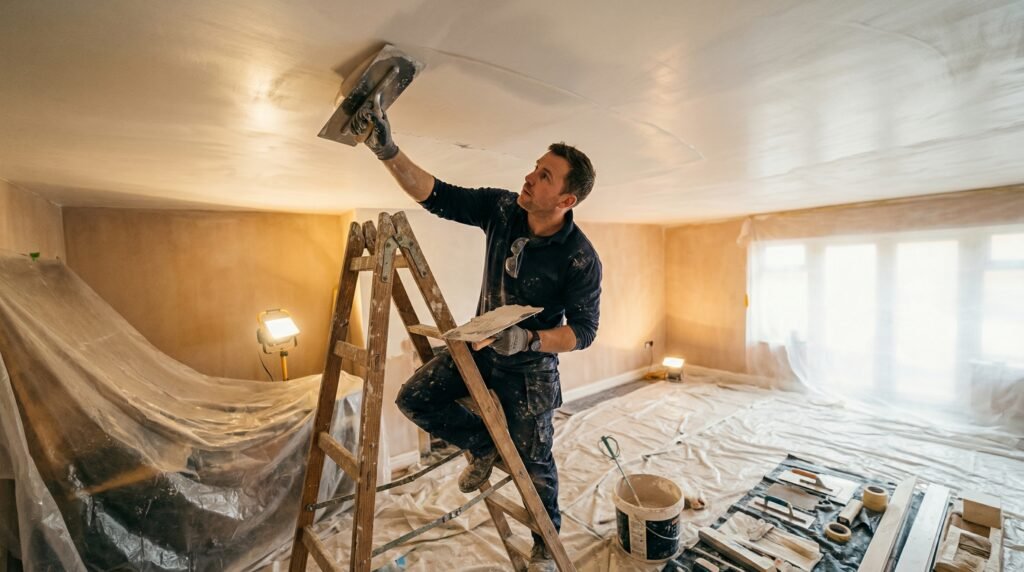
Our plaster skimming service includes wall skimming, plaster resurfacing, and plasterboard finishing for uneven or damaged surfaces. We prepare the walls properly before applying a skim coat to achieve a smooth decorative finish.
We use materials from British Gypsum and Knauf, with work carried out to standards recognised by the Federation of Master Builders and The Guild of Master Craftsmen.
In some renovation projects, surfaces may require drywall installation before plaster skimming is applied to achieve a smooth finish.
We provide wall skimming services for both domestic plaster skimming and commercial interior plastering projects. From internal wall skimming to ceiling skimming UK, our team ensures accurate plaster resurfacing.
Our plaster skimming solutions include skimming over artex, skimming over plasterboard, and full reskimming walls to modernise interior spaces. After skimming is completed and surfaces are fully cured, the next stage often includes professional painting and decorating to achieve the final interior finish.
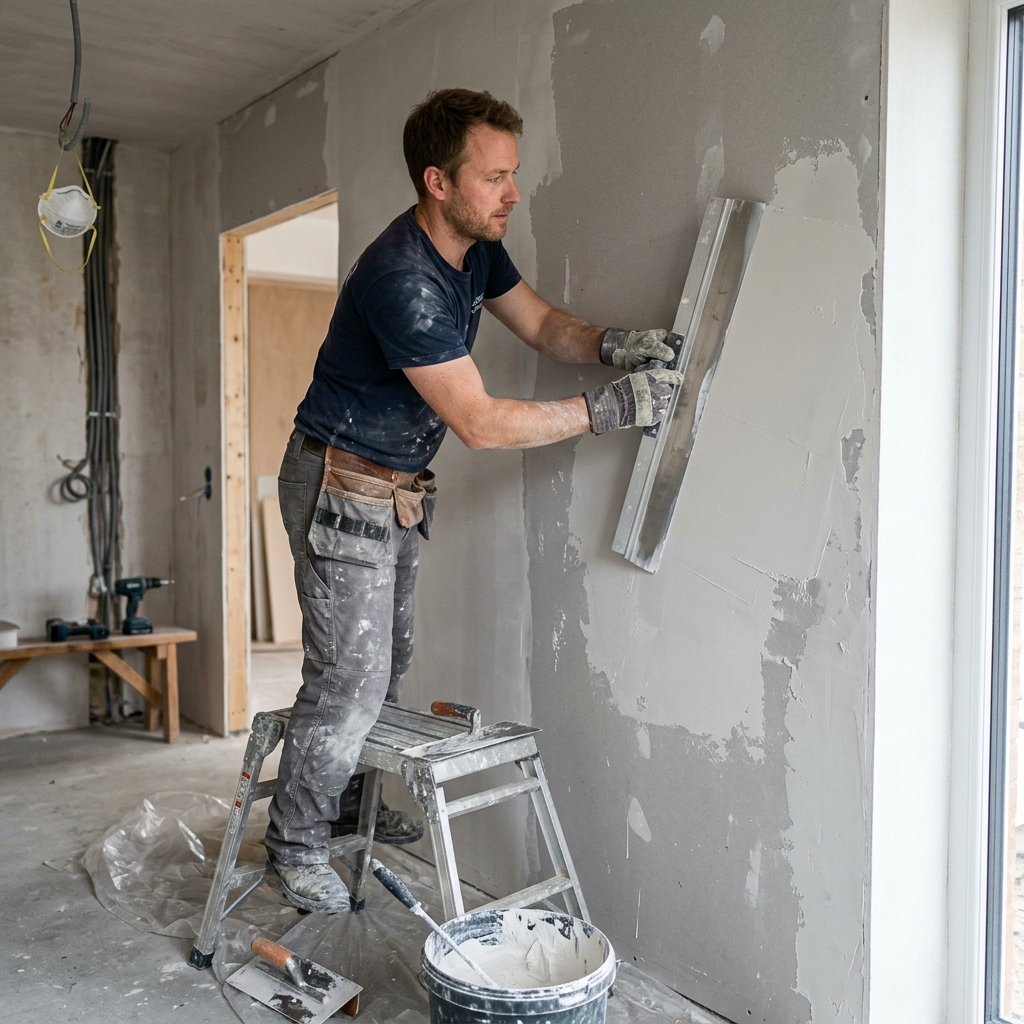
A wall surface that is uneven, cracked, or has been patched and repaired multiple times cannot be painted to a smooth finish without a fresh skim coat. We carry out wall skimming on both original plaster and plasterboard substrates, applying a two-coat finish system that brings the surface to a consistent, paint-ready standard. Every wall is assessed for suction and surface condition before any plaster is mixed, and all cracks and hollow areas are cut out and filled before the skim coat is applied.
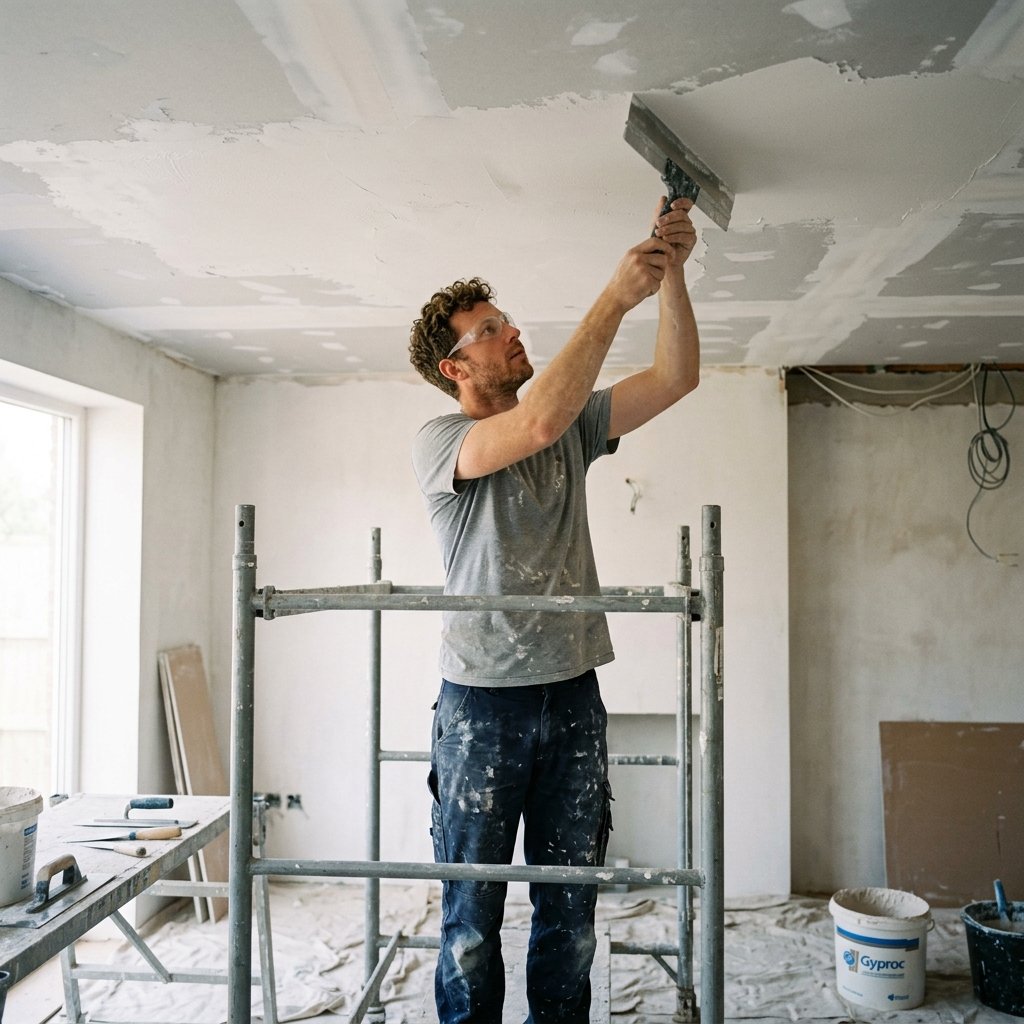
Ceilings in North London properties are often in worse condition than walls, water damage from leaks above, hairline cracks from structural movement, and previous repairs that have been painted over without being properly levelled. We carry out ceiling skimming on both plasterboard and existing plaster ceilings, applying a two-coat skim finish that eliminates surface irregularities and produces a flat, paint-ready result. Where a ceiling has significant damage or movement cracks, this is assessed and confirmed before any work is quoted.
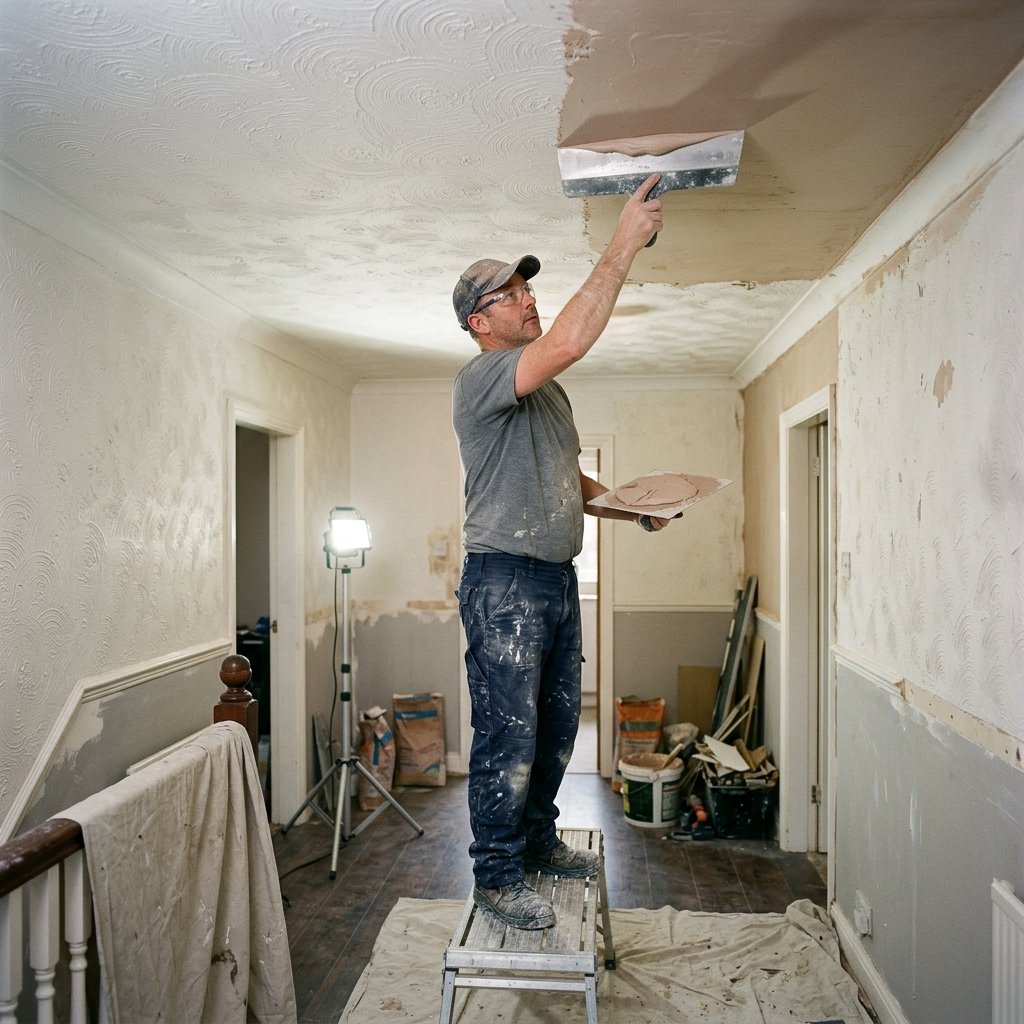
Artex ceilings in properties built before 1999 may contain chrysotile asbestos fibres. Before any skimming over artex is carried out, the surface is assessed and, where there is any doubt about the material, an asbestos test is recommended before work proceeds. Where artex is confirmed safe, we apply a bonding coat to stabilise the textured surface before a skim coat is applied to produce a flat finish. Attempting to skim directly over artex without a bonding coat causes adhesion failure and surface cracking within weeks.
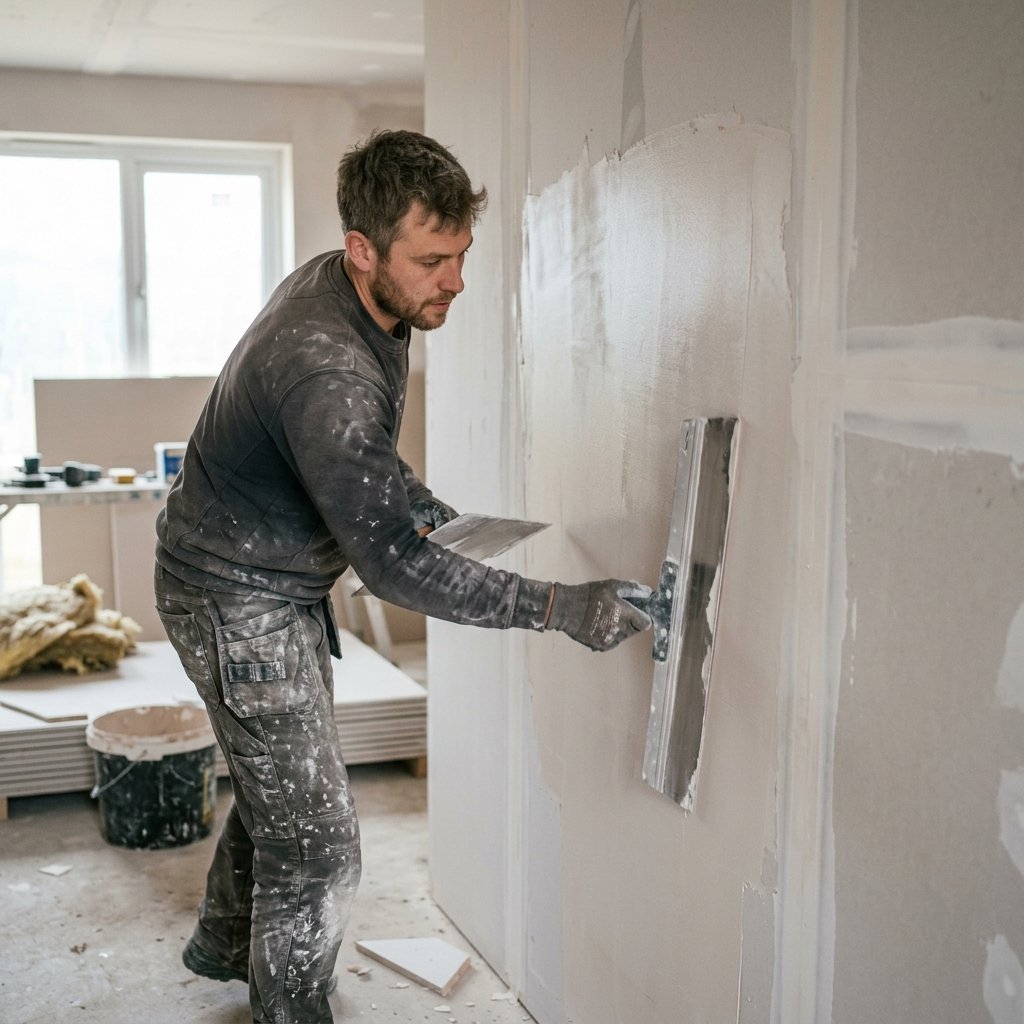
Plasterboard installed after partition work, soundproofing, drywall installation, or extension builds requires a skim finish before it can be decorated. We carry out skimming over plasterboard across North London as a standalone service and as the finishing stage on wider refurbishment projects. All board joints are taped and filled before skimming, all screw heads are recessed and spotted, and the surface is primed for suction control before the skim coat is applied. Work is coordinated directly with the preceding trade where skimming follows soundproofing or drywall installation on the same job.

Walls that have been damaged by damp, impact, or repeated patching over time develop an uneven surface that paint alone cannot correct. We carry out reskimming on damaged walls in North London properties after the underlying cause, damp, structural movement, or failed previous repairs, has been identified and resolved. Applying a skim coat over active damp or unresolved movement produces a finish that fails within months. Where the cause of damage is unclear, this is assessed as part of the site visit before any work is agreed or priced.
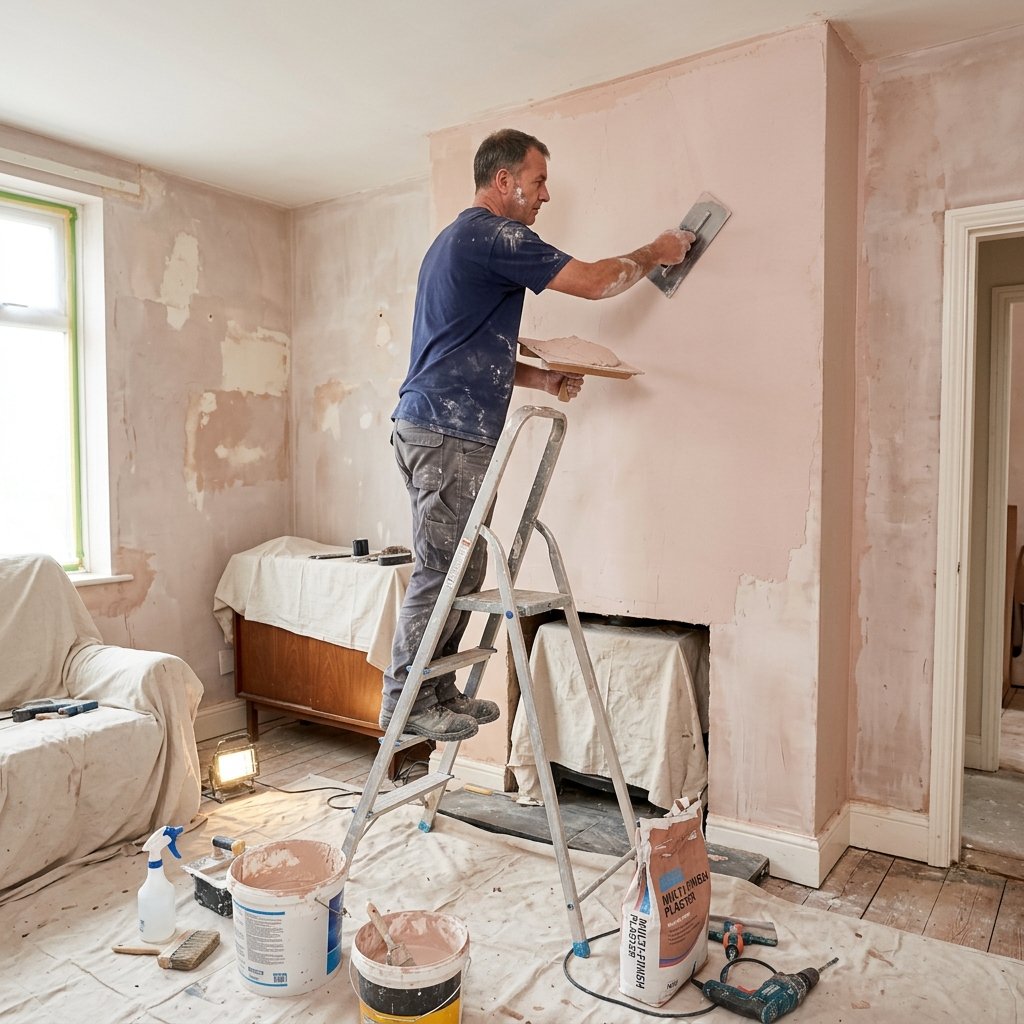
Where a room has multiple damaged surfaces, walls, ceiling, and reveals all requiring attention, a full room reskimm is more efficient and produces a consistent finish across all surfaces. We carry out full room reskimming in North London properties as part of wider renovation projects and as a standalone service for rooms that have deteriorated over time. All surfaces are assessed together, preparation work is carried out in a single visit, and the skim finish is applied to a consistent standard throughout. Completed rooms are handed over paint-ready and are typically finished with skimming as the final stage before decoration.
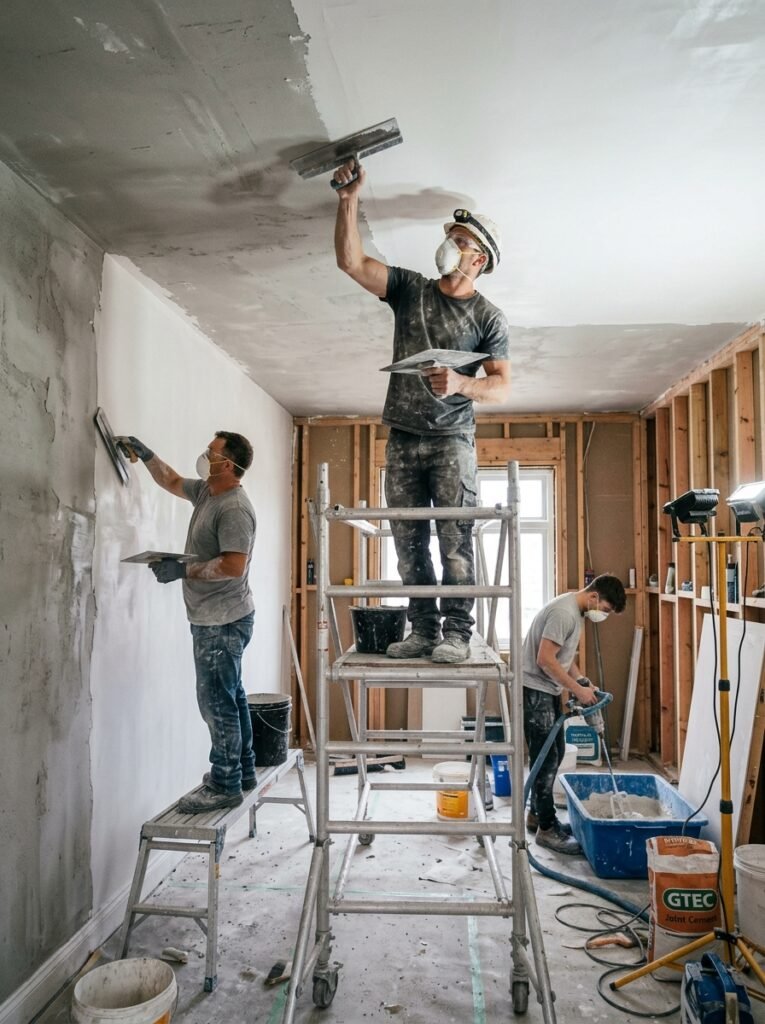
A skim coat applied over inadequate preparation does not fail immediately; it fails after the room has been decorated. Plaster applied over a surface with uncontrolled suction dries too fast, pulls away from the substrate, and produces a finish that sounds hollow when tapped within weeks of completion. A skim coat applied over active damp or unresolved movement cracks within months regardless of the plastering standard. Artex skimmed without a bonding coat loses adhesion at the texture peaks and lifts in patches once the surface dries. At EBT Build, every skimming job starts with a surface assessment to confirm substrate condition, suction level, and the presence of any underlying problem before any plaster is mixed or any price is agreed. Where surface condition is too poor for skimming alone, we carry out full replastering before any skim coat is applied.
We carry out plaster skimming across Islington, Angel N1, Camden, Hackney, and Haringey for homeowners, landlords, and property managers. Every job is handled by our own plasterers with no subcontracting, every surface is assessed before work begins, and every job is priced in writing after a site visit with no costs added once work starts. Where skimming follows soundproofing, drywall installation, or partition work on the same project, it is coordinated as part of the same managed job with no gap between trades. Completed surfaces are handed over paint-ready and are ready for professional painting and decorating immediately on completion.
EXCELLENTTrustindex verifies that the original source of the review is Google. EBT build are one of the companies out there. Tili and EBT build team are very hard working people and reliable. They refurbished my flat in Chalk Farm, including a new kitchen, bathroom, doors, skirting, plastering, painting and decorating. Everything was completed to a very high standard. I really appreciate they workmanship and professionalism, and i highly recommend them to anyone looking for a reliable companyPosted on GoogleTrustindex verifies that the original source of the review is Google. Punctual, tidy, responsive, fast and did a great job, fixed exactly what we needed them to.Posted on GoogleTrustindex verifies that the original source of the review is Google. Fantastic! Highly recommend. Completed the job above expectations, quick, tidy and a pleasure to deal with.Posted on GoogleTrustindex verifies that the original source of the review is Google. We had an amazing experience with EBT Build for our home refurbishment project in Islington. From start to finish, the team was professional, efficient, and incredibly skilled. They kept us updated throughout the whole process and made sure every detail was done to the highest standard. We’re absolutely thrilled with the final result – our home has been transformed exactly how we imagined it. Highly recommend!Posted on GoogleTrustindex verifies that the original source of the review is Google. "We are extremely glad we chose EbT. From start to finish, they maintained excellent communication, worked diligently, and delivered an exceptional standard of workmanship. We could not fault the entire process—they offered great value, and we would not hesitate to recommend them or use their services again in the future. They completed outstanding work across all areas: roofing, plastering, painting and decorating, new bathroom installations, new kitchen installations, full property plastering, and complete rewiring. Every aspect of the work was finished to a very high quality."Posted on GoogleTrustindex verifies that the original source of the review is Google. Fantastic team at EBT Build Ltd — superb from start to finish on our full home refurbishment. Would we use them again? Definitely YES. Would we recommend them? Absolutely. They understood exactly what we wanted, gave great ideas, and the end result exceeded our expectations. Quotes were clear, and any changes were handled smoothly. All tradesmen were skilled, polite, and respectful of our home — always leaving everything clean. The whole project was managed perfectly. We’re so happy with the work and highly recommend EBT Build Ltd for any job.Posted on GoogleTrustindex verifies that the original source of the review is Google. EBT Build are a real credit to the building trade. They carried out full refurbishments and roofing work on my property in Hackney, finishing everything to an excellent standard — including new kitchens, bathrooms, all electrics and plumbing, complete redecoration throughout, plus all roofing work. The whole team were professional, well organised, and their attention to detail really made a difference from start to finish. The end result was absolutely cracking, and I would happily recommend EBT Build to anyone looking for a reliable, quality refurbishment and roofing company.Posted on GoogleTrustindex verifies that the original source of the review is Google. EBT Build Ltd is one of the best building companies I have worked with. They completed our kitchen refurbishment, bathroom refurbishment, plastering, painting and decorating, along with all the finishing works to a very high standard. The team was professional, reliable and easy to deal with throughout, and the quality of the workmanship was excellent. I would highly recommend EBT Build Ltd to anyone looking for a trustworthy builder.Posted on GoogleTrustindex verifies that the original source of the review is Google. EBT Build carried out a loft conversion and refurbishment works at our property in Islington, and the quality of their work was very good. They regularly checked that we were happy with the progress at every stage of the project. The team always arrived when they said they would, worked full days, and were professional, resourceful, and cheerful throughout. The work was completed efficiently and to a high standard, with great attention to detail. At the end of each day, the work area was left clean and tidy. EBT Build are definitely one of the better building firms we have dealt with over the years, and we would have no hesitation in recommending them. We will certainly use them again for future projects.Posted on GoogleTrustindex verifies that the original source of the review is Google. EBT team renovated my bathroom and kitchen to a fantastic standard. They were really professional and efficient. Could not recommend more! Thank you to the whole team but especially Tilly!Verified by TrustindexTrustindex verified badge is the Universal Symbol of Trust. Only the greatest companies can get the verified badge who has a review score above 4.5, based on customer reviews over the past 12 months. Read more
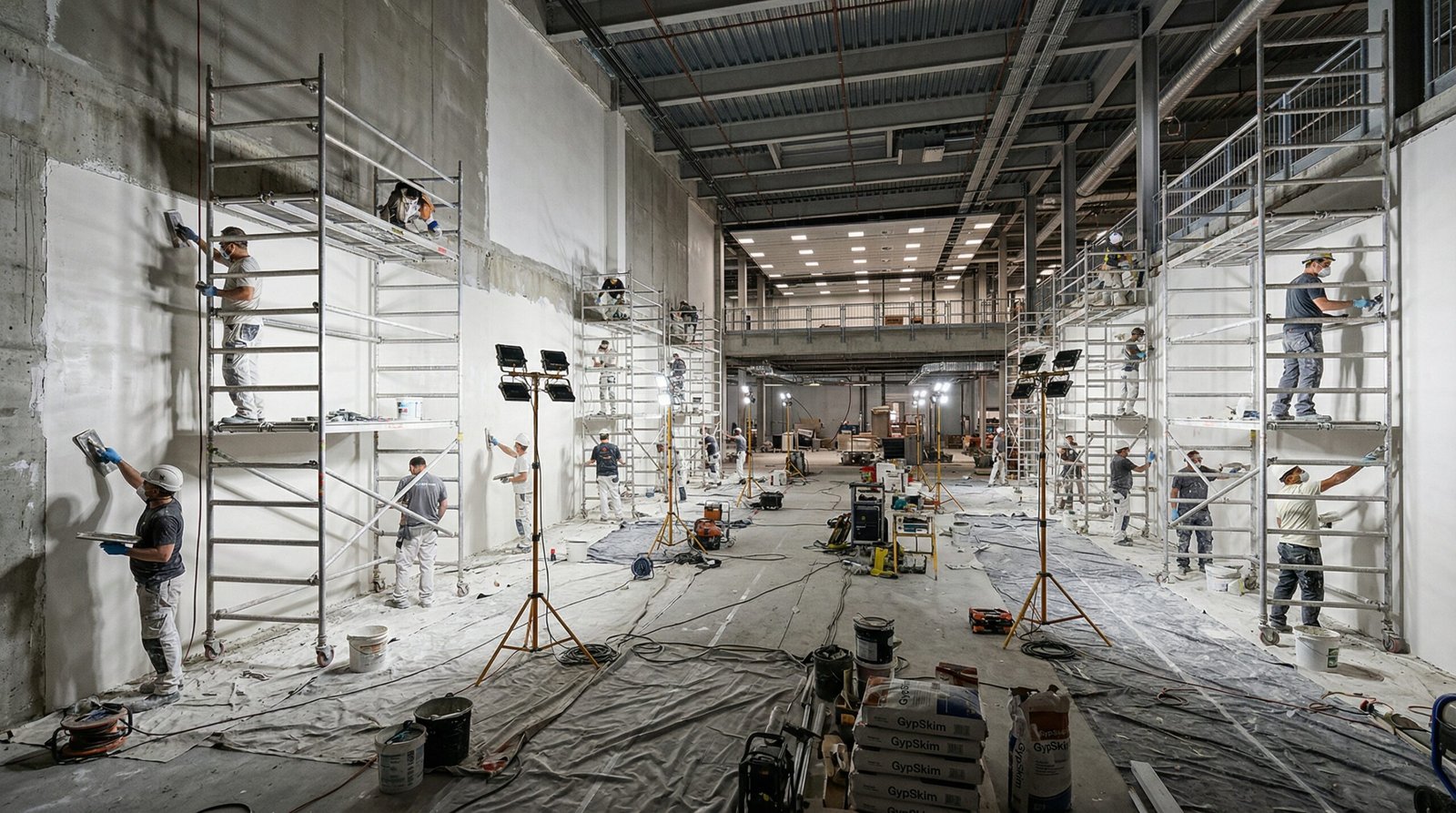
Every plaster skimming project begins with a detailed surface assessment to identify cracks, uneven areas, and substrate condition.
Includes: Crack repair before skimming, Wall surface preparation, Artex ceiling evaluation, Surface levelling, Protection of surrounding areas
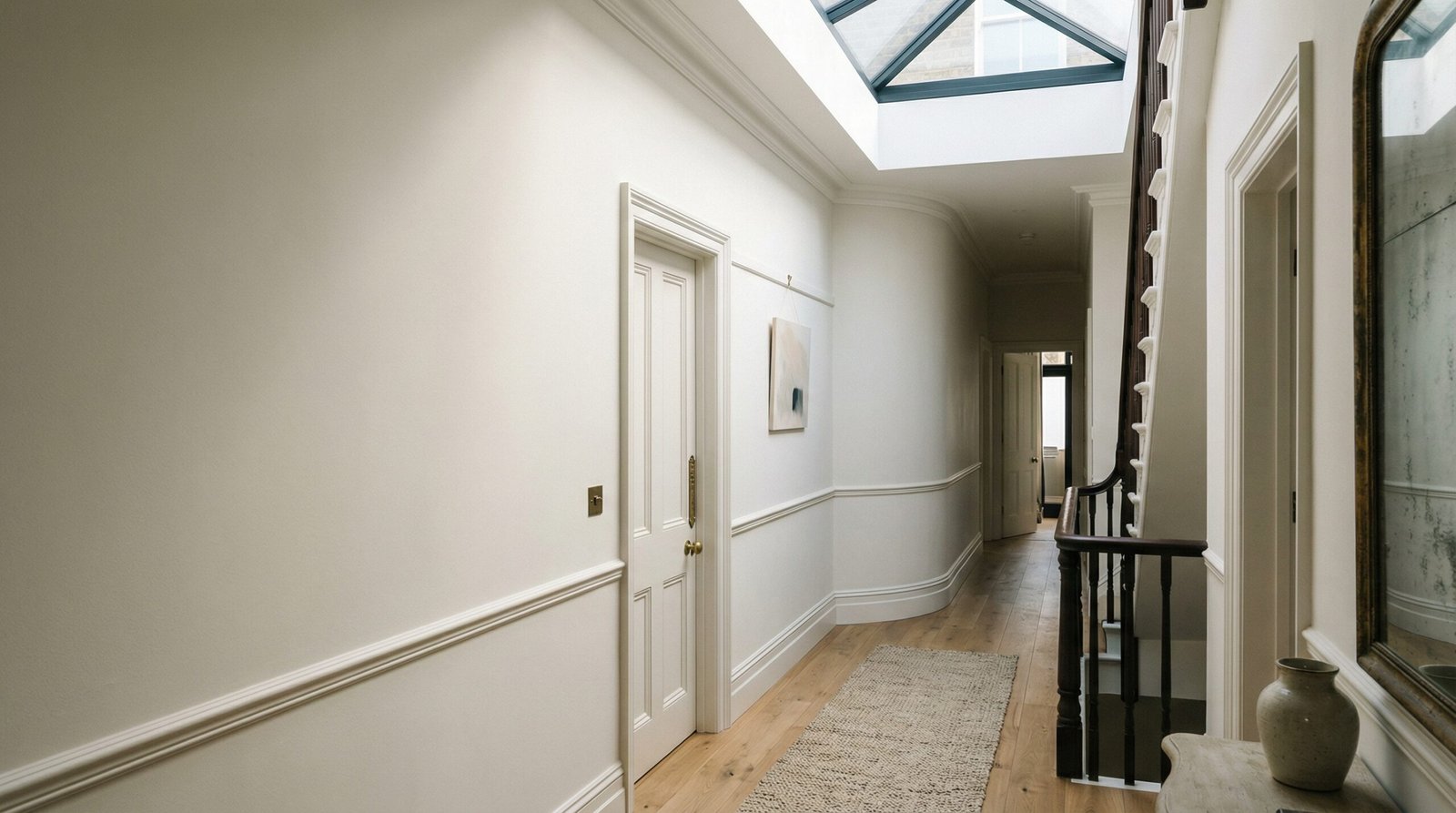
A controlled plaster skim coat is applied using professional two-coat plaster finish techniques to ensure smooth and even coverage.
Includes: Plaster skim coat application, Two-coat plaster finish, Edge detailing, Decorative plaster finish review, Alignment checks
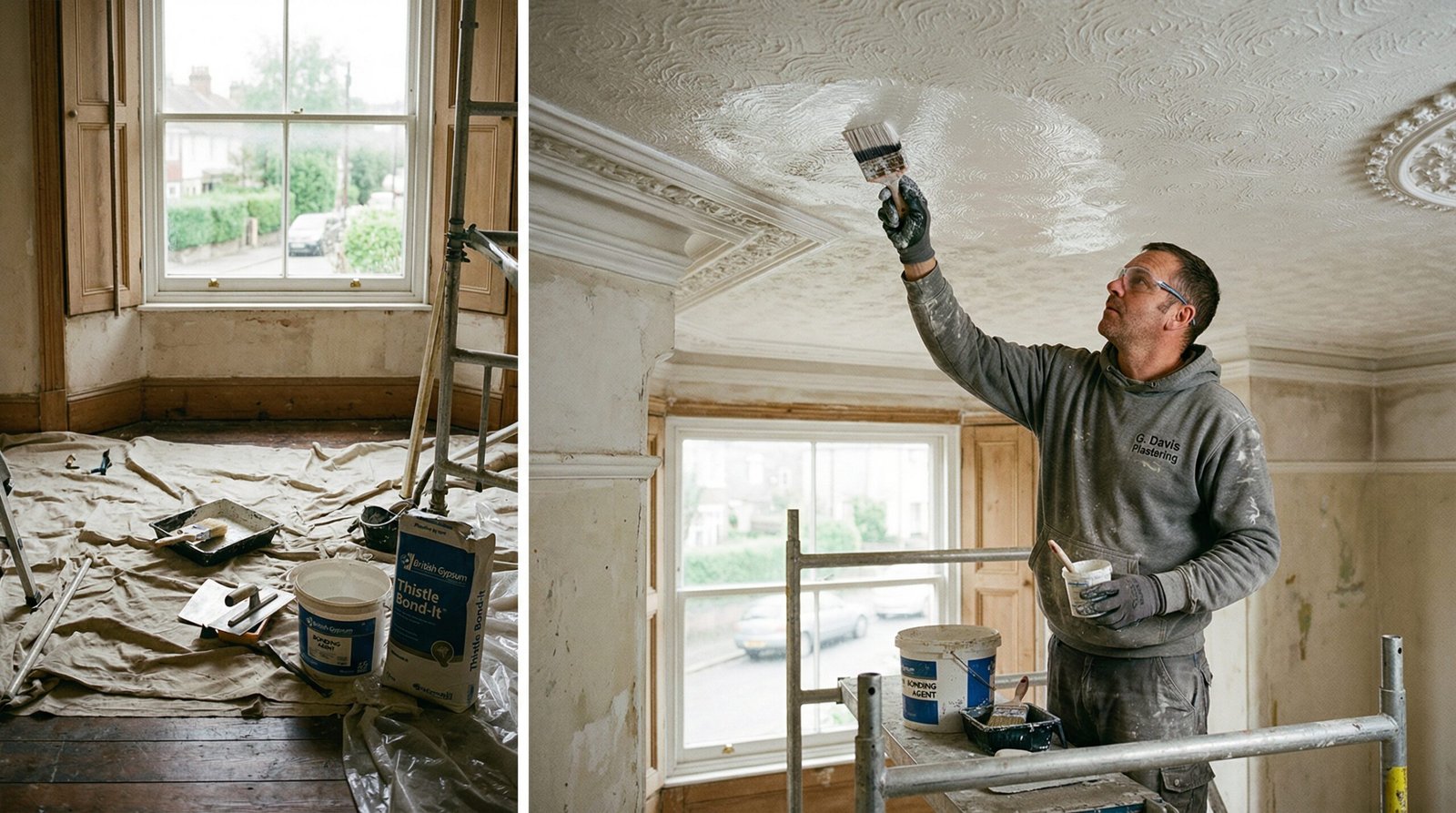
After curing, all surfaces are inspected to confirm smoothness, durability, and readiness for decoration.
Includes: Surface smoothness check, Drying assessment, Final detailing, Paint-ready confirmation, Client approval
We visit your property in UK to assess the scope and requirements.
You receive transparent pricing and a clear timeline for your project.
All trades are coordinated and managed under one system.
Snagging is completed and the project is delivered to agreed standards.
Plaster skimming costs in North London depend on the surface area, substrate condition, and preparation required before any skim coat is applied. A single wall skim in an average room typically runs between £150 and £350 depending on wall size and condition. A full room skim covering walls and ceiling is generally between £400 and £900 for an average sized room. Skimming over artex or heavily damaged surfaces costs more due to the additional preparation and bonding coat required before skimming can begin. Every job is priced after a site assessment — we do not give phone estimates because the correct preparation cannot be confirmed without seeing the surface condition.
Fresh plaster skim coat requires a minimum of four to six weeks to dry fully before any paint is applied in normal conditions. Applying emulsion paint to plaster that has not fully dried traps moisture in the surface, causes the paint to peel, and can lead to mould growth behind the finish coat. The drying time increases in winter or in poorly ventilated rooms. Once the surface has dried to a consistent pale colour throughout — with no darker patches indicating residual moisture — a mist coat of diluted emulsion is applied first before any full paint coat is used. We confirm drying and decoration guidance in writing on every job before we leave site.
Artex applied before 2000 may contain chrysotile asbestos fibres. Skimming over intact artex that is in good condition does not disturb the fibres and is generally considered low risk, but any sanding, scraping, or mechanical removal of artex before skimming carries a higher risk and should not be carried out without asbestos testing first. Where there is any doubt about the material, we recommend an asbestos survey before any work proceeds. Where artex is confirmed safe or encapsulated, we apply a bonding coat to stabilise the textured surface before the skim coat is applied. Skimming directly over artex without a bonding coat causes adhesion failure and surface cracking within weeks.
Skimming is a thin finish coat — typically two to three millimetres — applied over an existing surface that is structurally sound but uneven, cracked, or in need of a fresh decorative base. Replastering involves removing the existing plaster back to the substrate — brick, block, or lath — and applying new backing coats before a finish skim is applied. Skimming is appropriate where the existing plaster is solid, well bonded, and free from active damp or significant movement. Where plaster is hollow, contaminated with salts from damp, or has failed across large areas, full replastering is required before any skim coat is applied. We assess which treatment is appropriate as part of the site visit before any work is agreed or priced.
A standard skim finish requires two coats. The first coat is applied to fill surface irregularities and establish an even base. The second coat is applied while the first is still green — partially set but not fully dry — and is trowelled to a smooth, tight finish. Attempting a single coat skim on a surface with significant variation produces an uneven result that is visible once painted. On surfaces with high suction — bare plasterboard, previously unprimed plaster, or surfaces that have been sanded — a PVA bonding coat or suction primer is applied before skimming to control the drying rate and prevent the plaster from pulling away from the substrate.
No. Skimming over a damp wall delays the problem and produces a finish that fails within months. Active damp causes the skim coat to lose adhesion at the substrate, produces salt crystallisation that pushes through the surface as white powdery deposits, and creates conditions for mould growth behind the finish. The correct sequence is to identify and resolve the source of damp first — whether rising damp, penetrating damp, or condensation — treat the substrate where required, and skim only once the wall has dried out fully. We assess wall condition and moisture levels as part of the site visit and will not skim over a surface that has active damp or unresolved moisture.
Yes in most cases. Plasterboard installed as part of drywall, partition, or soundproofing work is not a finished surface — board joints, screw heads, and surface variation are all visible and need to be resolved before decoration. A skim coat applied over taped and filled plasterboard produces a continuous, paint-ready surface across the entire wall or ceiling. Where skimming follows soundproofing or drywall installation on the same project, we coordinate both trades under one managed job so there is no gap between the boarding stage and the finishing stage. Completed surfaces are handed over paint-ready and ready for painting and decorating immediately on completion.
Reliable home refurbishment and roofing specialists delivering compliant, fully managed building work across the UK.
© 2026 EBT Build. All rights reserved.