
Need a new or replacement radiator fitted properly? EBT Build provides professional radiator installation across North London, including new radiator fitting, radiator replacement and additional radiators. We assess the room’s heat requirement, existing pipework, valves and heating system before secure mounting, connection and system balancing, as part of our wider plumbing and heating services.
Certified engineers for all gas work, safety checks, boiler installations, and compliance.

Electrical work carried out, tested, and certified to current UK regulations.
Public & employer liability insurance in place for complete peace of mind.
Consistently rated for workmanship, reliability, and project management.
Delivering home refurbishment and roofing projects with controlled processes, certified trades, and accountable project management.
When one room stays colder than the rest, unusual sounds start coming from the heating system, or a unit develops a leak, the problem may not always be obvious. The cause can range from trapped air and poor water circulation to ageing components or corrosion. Regular boiler servicing and heating system checks can help identify underlying issues before they affect performance. We identify what is affecting performance before recommending the appropriate solution.
Stays cold or only heats partially.
Some rooms stay colder than others.
Water appears around the radiator or connections.
Banging, ticking or gurgling sounds during use.
Visible deterioration on an older unit.
Takes too long to reach a comfortable temperature.
Every installation starts with checking the room, existing heating arrangement and available pipework. We also consider whether the boiler has enough capacity for the heating requirements before connecting the new unit and completing final system checks.
We consider the room size, heat requirement and available wall position before selecting a suitable unit.
The radiator is securely positioned using suitable brackets and checked for a stable, level fit.
Existing flow and return connections are checked and connected carefully to suit the heating circuit.
Suitable thermostatic or manual controls can be fitted to provide practical temperature adjustment.
The heating circuit is checked after connection, including pressure, leaks and overall operation. Where wider heating problems are found, boiler repair or replacement may also need to be considered.
We check heat distribution and make final adjustments so the radiator works properly with the wider heating system.
North London properties can have very different heating layouts. A Victorian terrace in Highbury or Canonbury may have older pipework, while a converted flat around Angel can have limited space for repositioning a radiator. In Camden and Kentish Town, room alterations can also change where heating is most practical.
Older homes often have established heating arrangements and pipework that need to be assessed before a new unit is connected.
Altered layouts and restricted wall space can affect where a radiator can be positioned and how connections are routed.
Changes to furniture, insulation or room use may mean an existing unit needs relocating or additional heating is required.
For wider heating work, our plumbing and heating services can be coordinated with the radiator work.
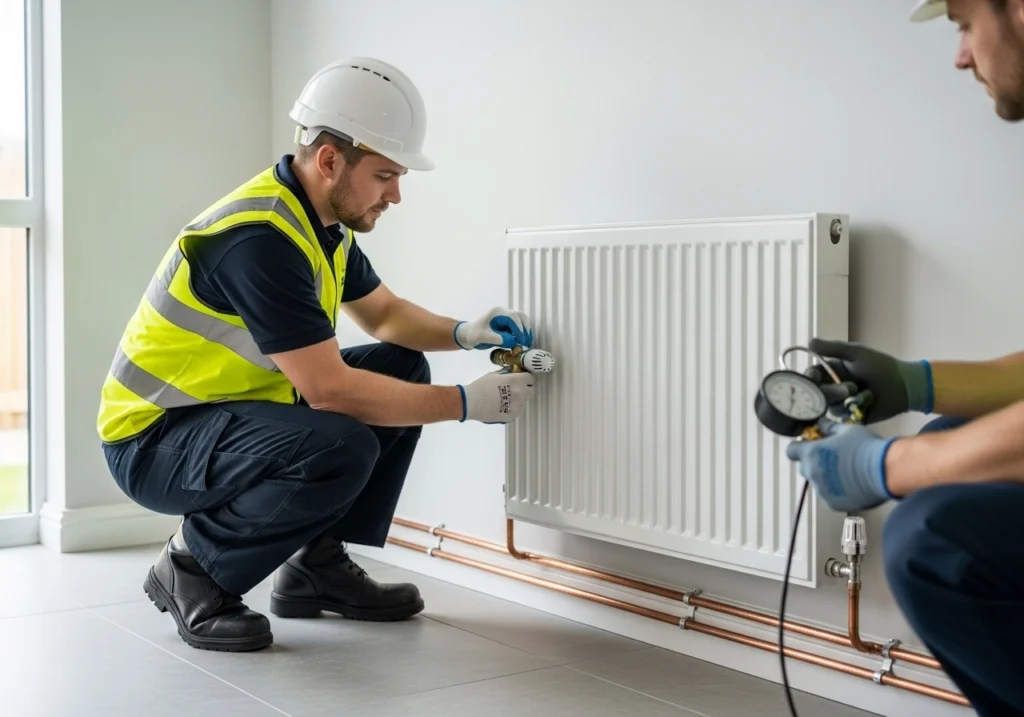
Our central heating radiator installation service covers full system preparation, mounting, pipework connection, and performance testing. Work is completed by a Gas Safe Register certified heating engineer to ensure compliance and safe operation.
We drain the heating circuit, isolate the boiler, and install new radiators with secure brackets and compression fittings. After connecting flow and return pipes, we perform system refill, air bleeding, and inhibitor treatment to protect against corrosion.
Older heating systems may require pipework replacement before installing new radiators.
Our professional radiator services cover new installations, replacements, additional heating and radiator relocation. We work with standard, vertical, column and designer radiators to suit different rooms, layouts and heating requirements.
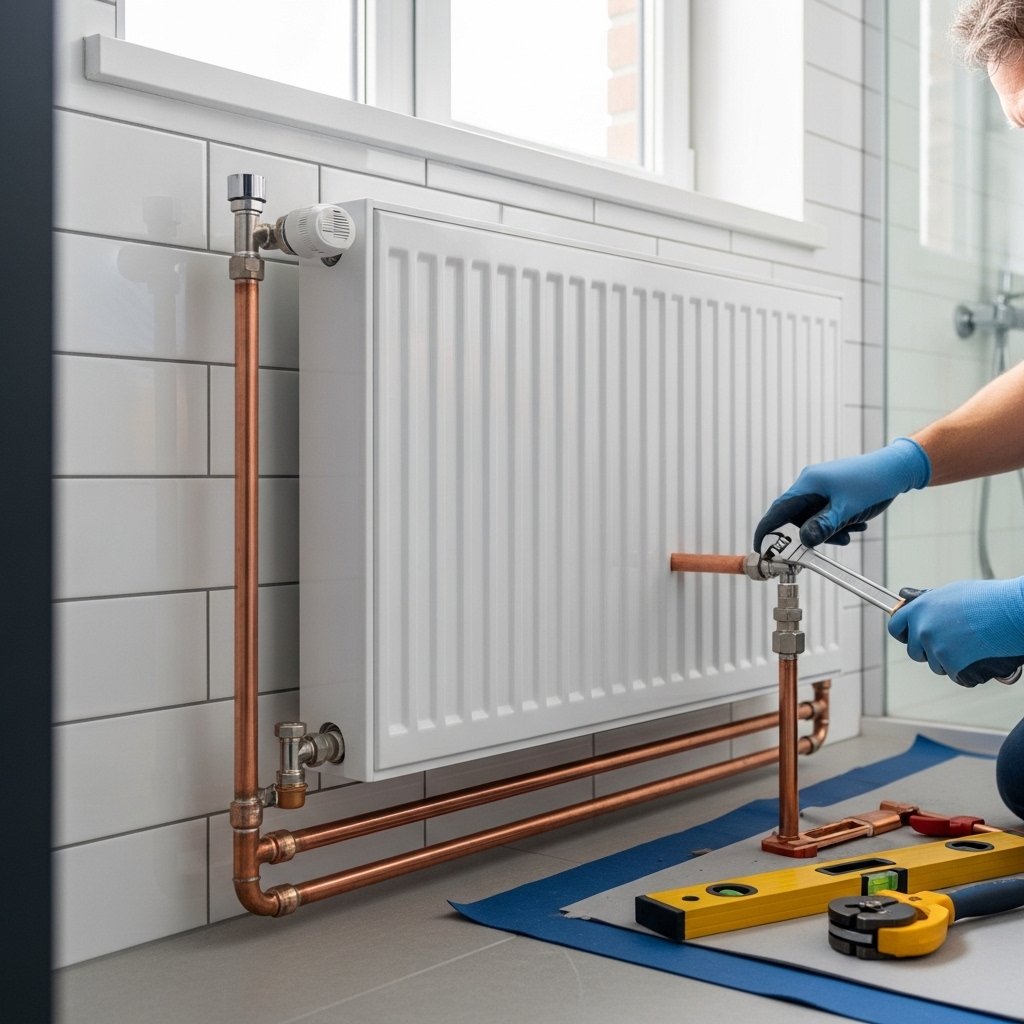
We install new radiators with secure mounting, suitable valves and proper connections.
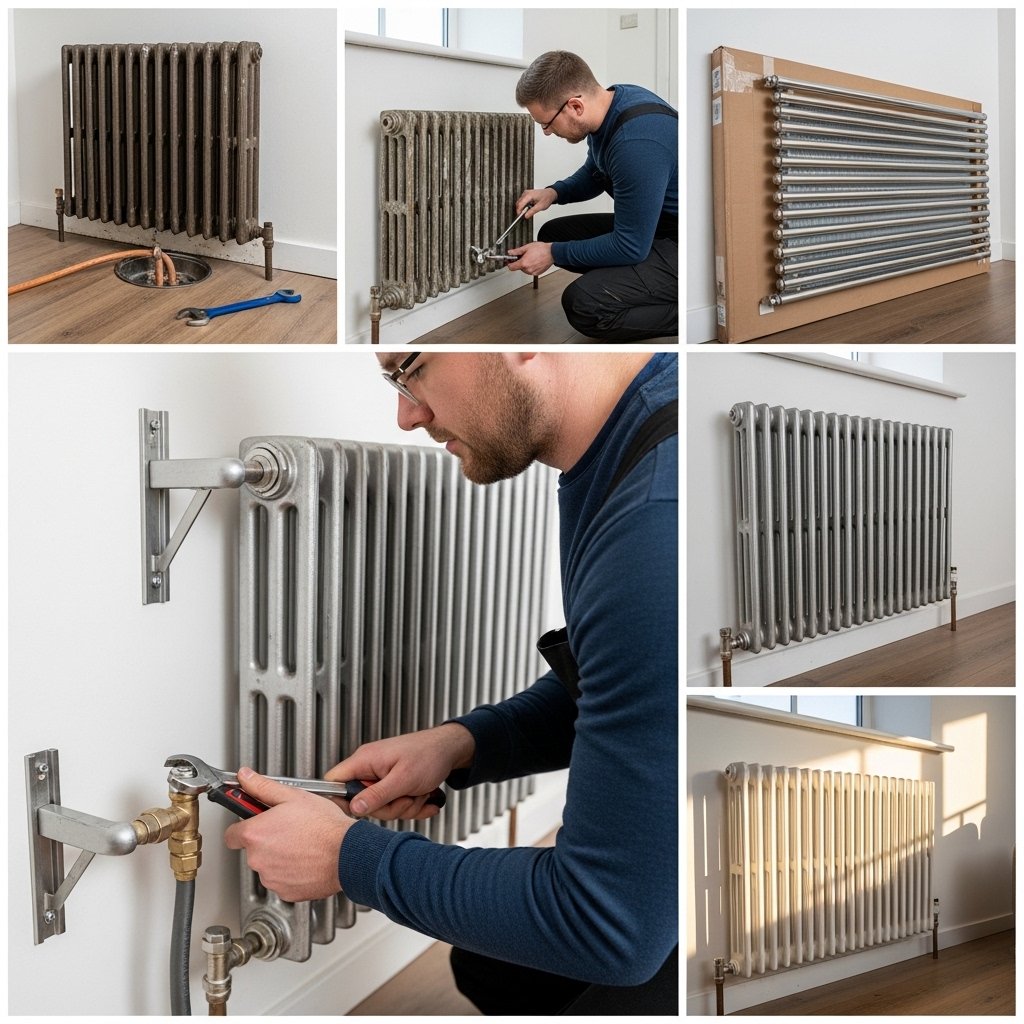
Replace an old or damaged radiator with a suitable, more efficient unit.
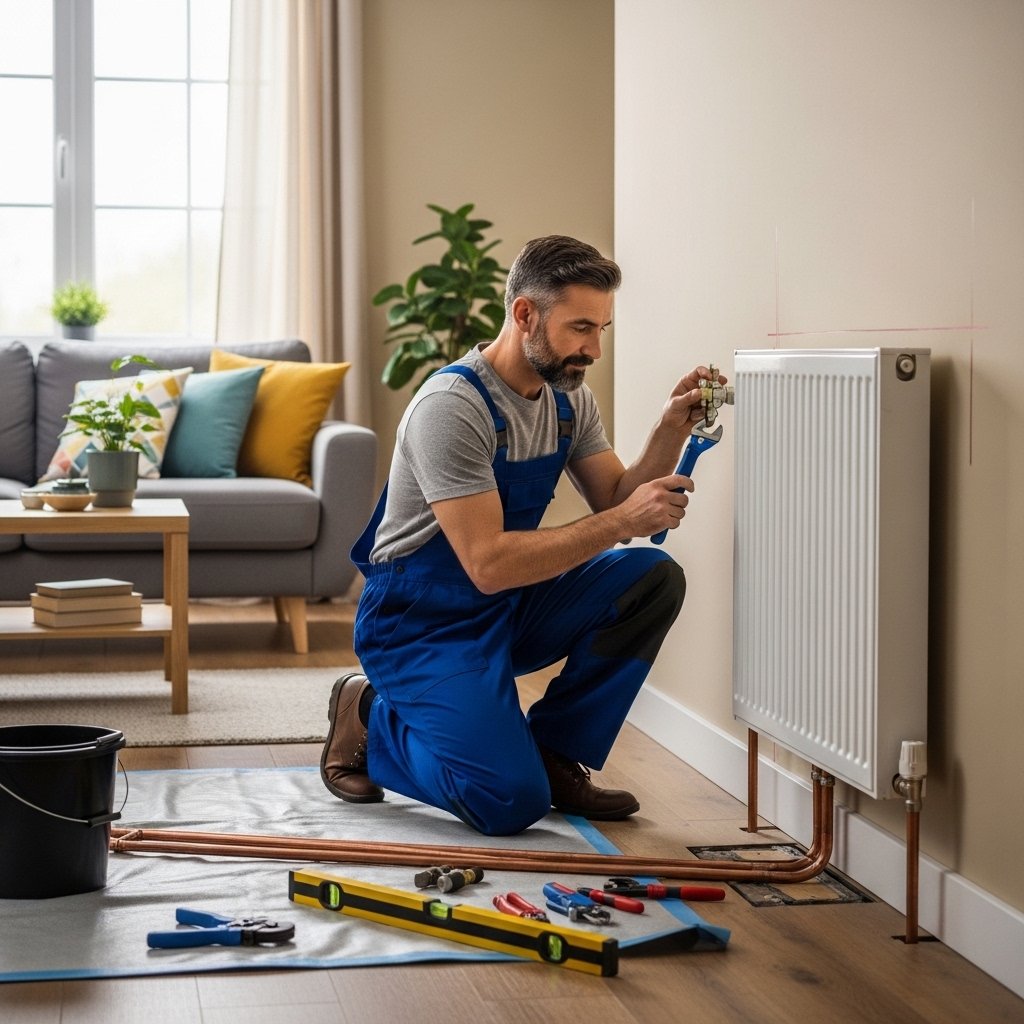
Add heating to rooms where the existing radiator does not provide enough warmth.
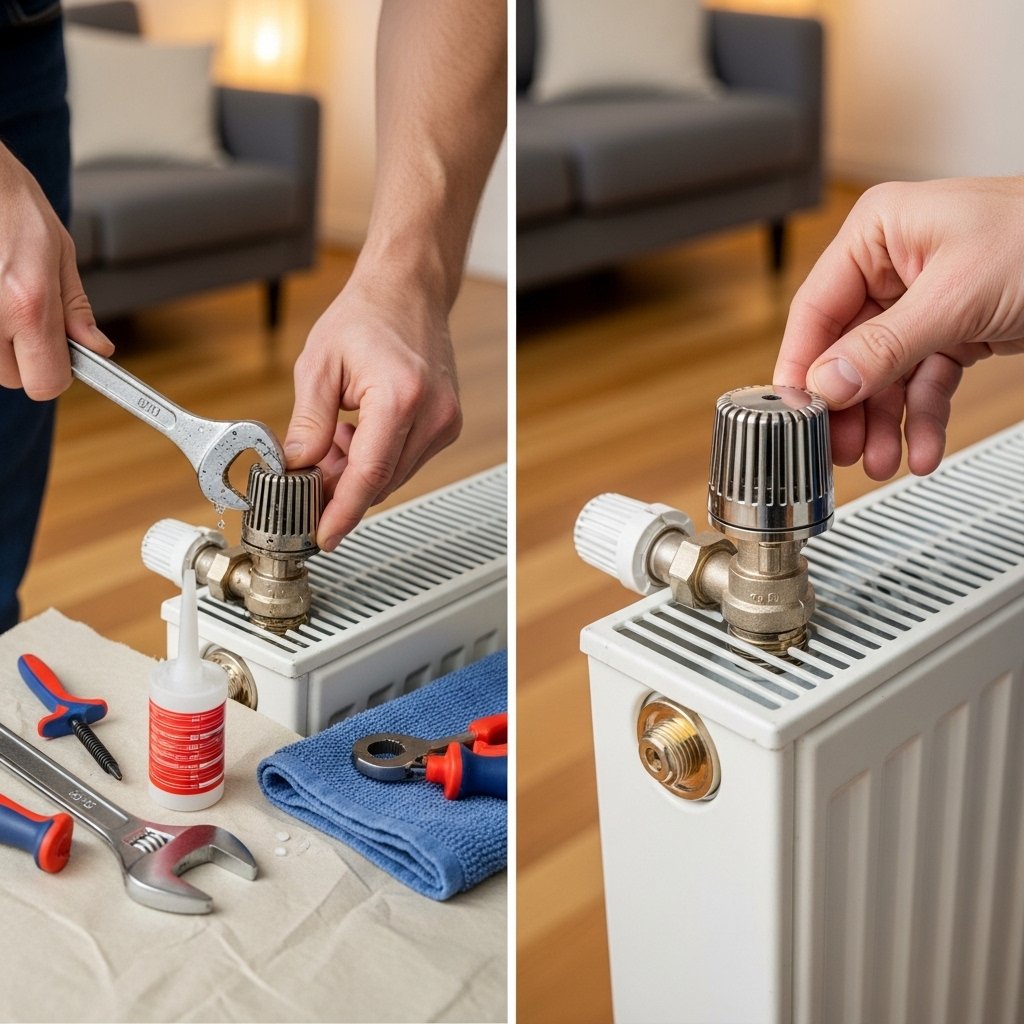
Fit or replace TRVs for better temperature control in individual rooms.
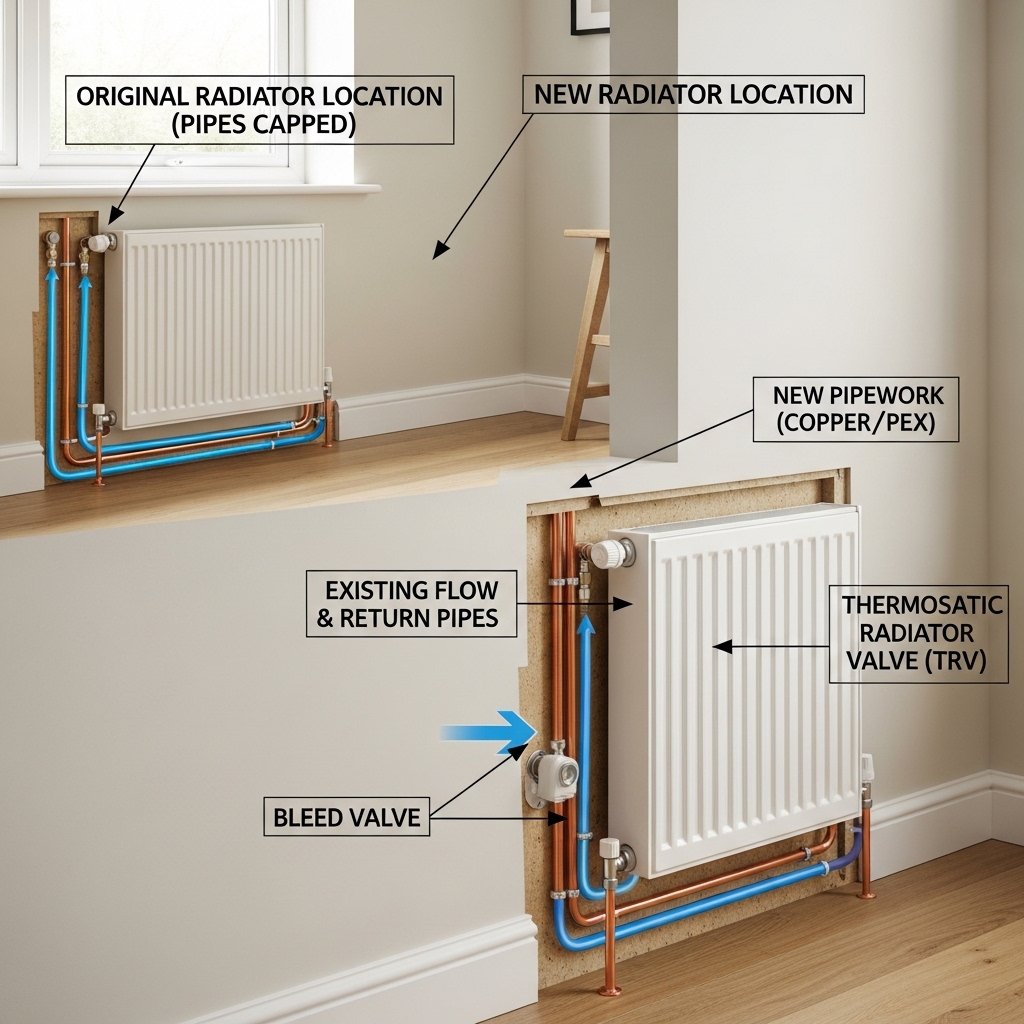
Move an existing radiator to suit a new room layout or furniture arrangement.
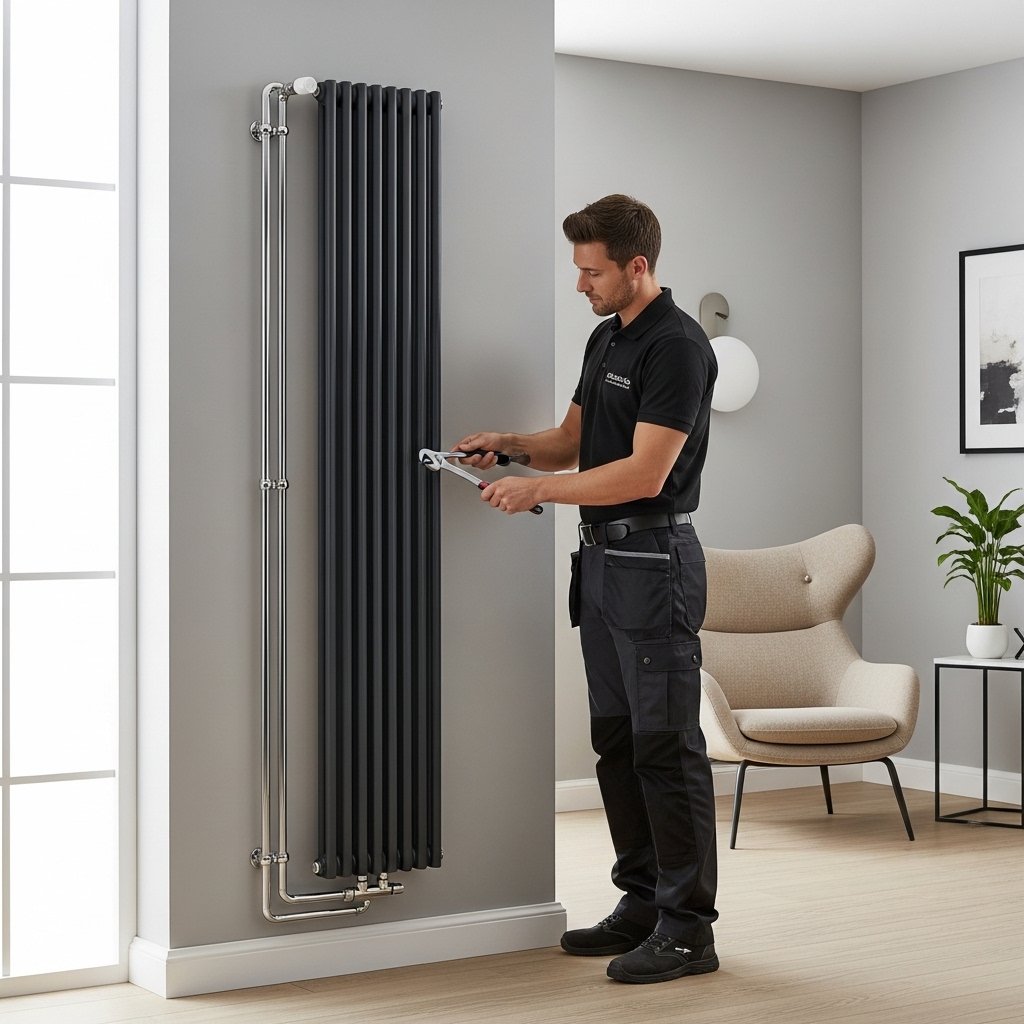
Install designer, column and vertical radiators suited to your space and heating requirements.
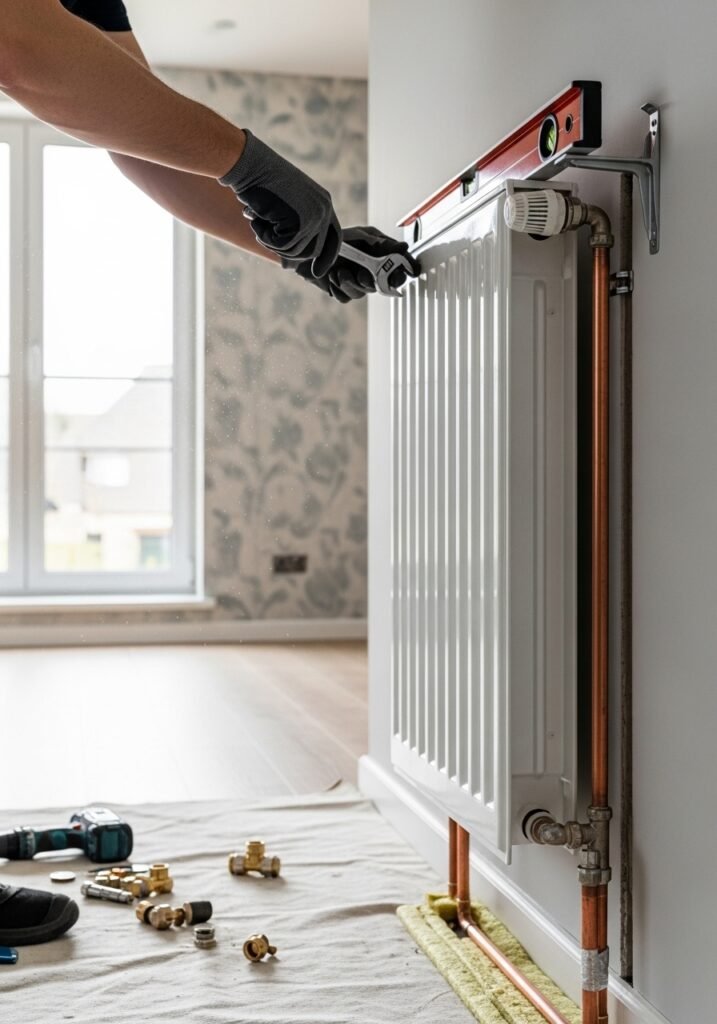
A radiator needs to work properly with the wider heating system, not simply look right on the wall. We take care of the fitting, connections and final checks with attention to the existing setup and condition of the property.
Many homes coordinate heating upgrades alongside bathroom plumbing renovations.
EXCELLENTTrustindex verifies that the original source of the review is Google. EBT build are one of the companies out there. Tili and EBT build team are very hard working people and reliable. They refurbished my flat in Chalk Farm, including a new kitchen, bathroom, doors, skirting, plastering, painting and decorating. Everything was completed to a very high standard. I really appreciate they workmanship and professionalism, and i highly recommend them to anyone looking for a reliable companyPosted on GoogleTrustindex verifies that the original source of the review is Google. Punctual, tidy, responsive, fast and did a great job, fixed exactly what we needed them to.Posted on GoogleTrustindex verifies that the original source of the review is Google. Fantastic! Highly recommend. Completed the job above expectations, quick, tidy and a pleasure to deal with.Posted on GoogleTrustindex verifies that the original source of the review is Google. We had an amazing experience with EBT Build for our home refurbishment project in Islington. From start to finish, the team was professional, efficient, and incredibly skilled. They kept us updated throughout the whole process and made sure every detail was done to the highest standard. We’re absolutely thrilled with the final result – our home has been transformed exactly how we imagined it. Highly recommend!Posted on GoogleTrustindex verifies that the original source of the review is Google. "We are extremely glad we chose EbT. From start to finish, they maintained excellent communication, worked diligently, and delivered an exceptional standard of workmanship. We could not fault the entire process—they offered great value, and we would not hesitate to recommend them or use their services again in the future. They completed outstanding work across all areas: roofing, plastering, painting and decorating, new bathroom installations, new kitchen installations, full property plastering, and complete rewiring. Every aspect of the work was finished to a very high quality."Posted on GoogleTrustindex verifies that the original source of the review is Google. Fantastic team at EBT Build Ltd — superb from start to finish on our full home refurbishment. Would we use them again? Definitely YES. Would we recommend them? Absolutely. They understood exactly what we wanted, gave great ideas, and the end result exceeded our expectations. Quotes were clear, and any changes were handled smoothly. All tradesmen were skilled, polite, and respectful of our home — always leaving everything clean. The whole project was managed perfectly. We’re so happy with the work and highly recommend EBT Build Ltd for any job.Posted on GoogleTrustindex verifies that the original source of the review is Google. EBT Build are a real credit to the building trade. They carried out full refurbishments and roofing work on my property in Hackney, finishing everything to an excellent standard — including new kitchens, bathrooms, all electrics and plumbing, complete redecoration throughout, plus all roofing work. The whole team were professional, well organised, and their attention to detail really made a difference from start to finish. The end result was absolutely cracking, and I would happily recommend EBT Build to anyone looking for a reliable, quality refurbishment and roofing company.Posted on GoogleTrustindex verifies that the original source of the review is Google. EBT Build Ltd is one of the best building companies I have worked with. They completed our kitchen refurbishment, bathroom refurbishment, plastering, painting and decorating, along with all the finishing works to a very high standard. The team was professional, reliable and easy to deal with throughout, and the quality of the workmanship was excellent. I would highly recommend EBT Build Ltd to anyone looking for a trustworthy builder.Posted on GoogleTrustindex verifies that the original source of the review is Google. EBT Build carried out a loft conversion and refurbishment works at our property in Islington, and the quality of their work was very good. They regularly checked that we were happy with the progress at every stage of the project. The team always arrived when they said they would, worked full days, and were professional, resourceful, and cheerful throughout. The work was completed efficiently and to a high standard, with great attention to detail. At the end of each day, the work area was left clean and tidy. EBT Build are definitely one of the better building firms we have dealt with over the years, and we would have no hesitation in recommending them. We will certainly use them again for future projects.Posted on GoogleTrustindex verifies that the original source of the review is Google. EBT team renovated my bathroom and kitchen to a fantastic standard. They were really professional and efficient. Could not recommend more! Thank you to the whole team but especially Tilly!Verified by TrustindexTrustindex verified badge is the Universal Symbol of Trust. Only the greatest companies can get the verified badge who has a review score above 4.5, based on customer reviews over the past 12 months. Read more
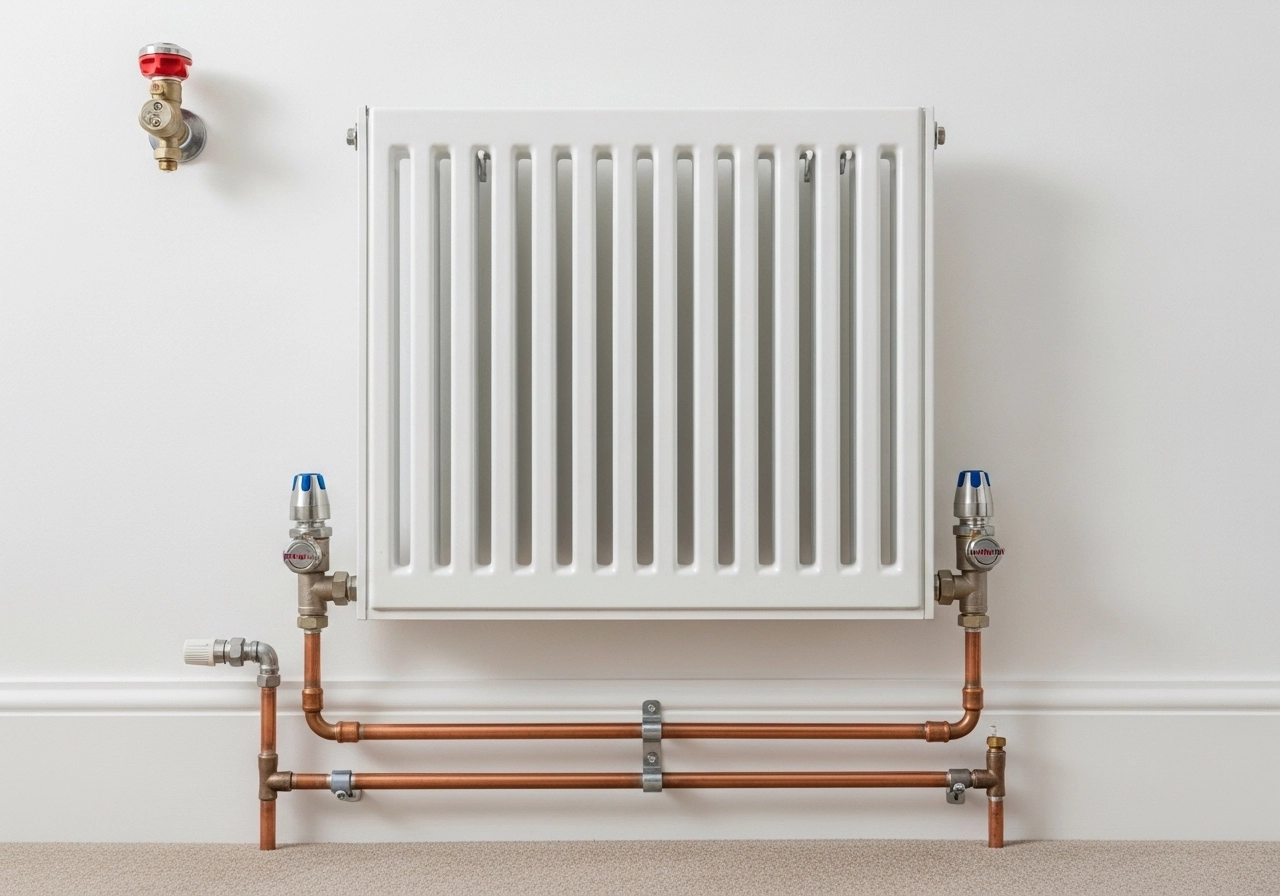
Every project begins with a heating system survey. We isolate the boiler, drain the heating circuit, and inspect pipework and valves before installation.
Includes: Boiler isolation, Heating circuit drain down, Bracket positioning, Pipe inspection
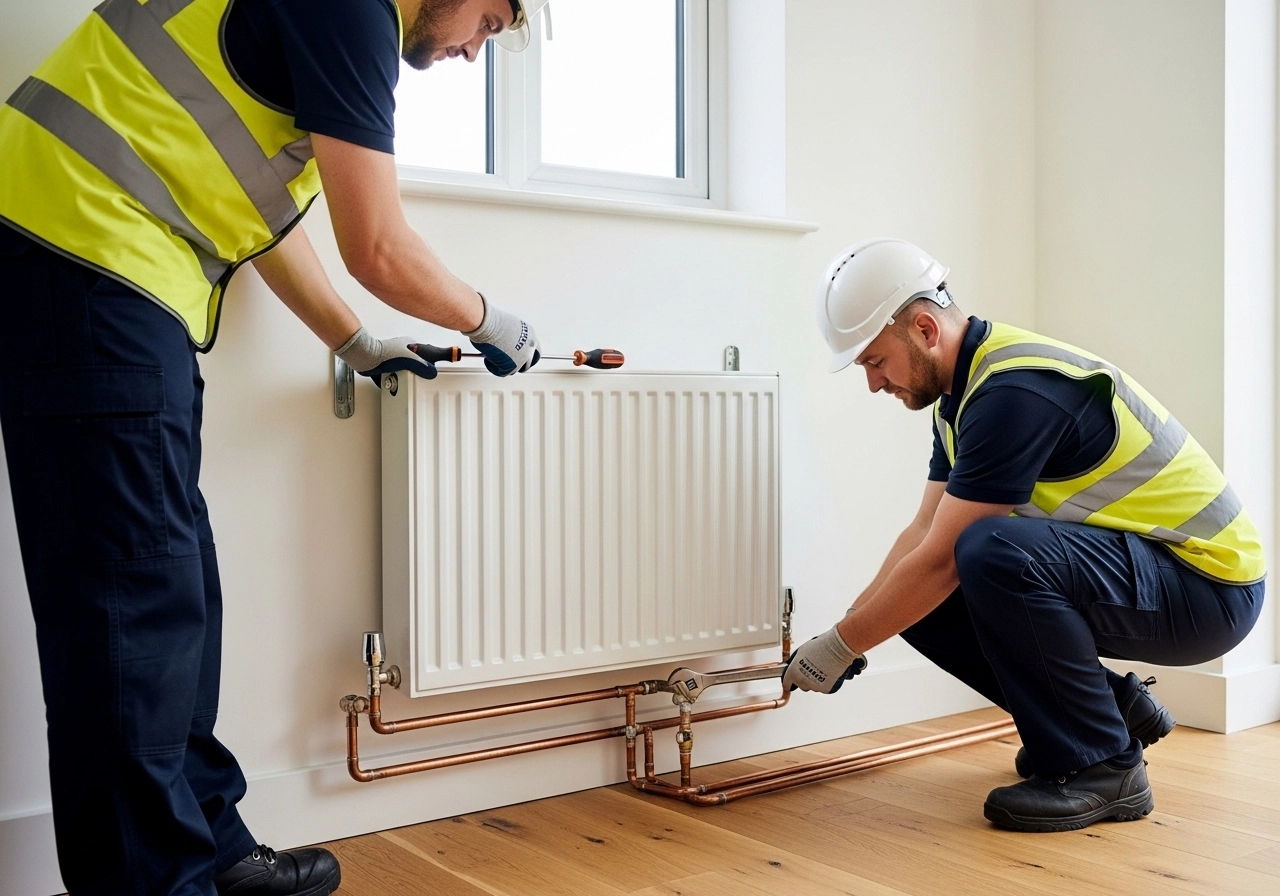
The radiator is securely mounted, and flow and return pipes are connected using compression or push-fit fittings.
Includes: Wall mounting, Valve fitting (TRV & lockshield), Pipe extension if required, Leak checks
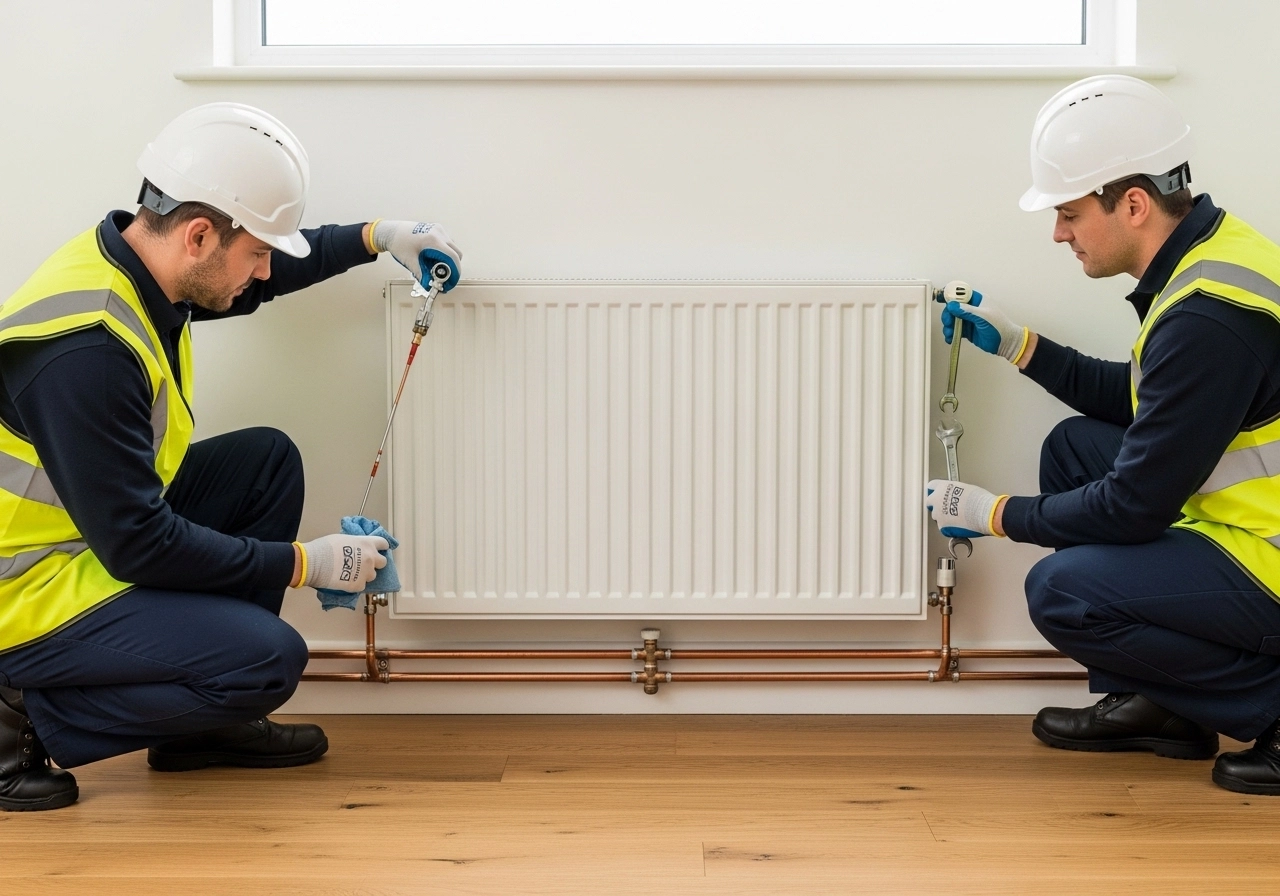
After installation, the system is refilled, air is removed, and the radiator is balanced for even heat distribution.
Includes: System refill, Bleed valve testing, Pressure checks, Final heating performance verification
We visit your property in UK to assess the scope and requirements.
You receive transparent pricing and a clear timeline for your project.
All trades are coordinated and managed under one system.
Snagging is completed and the project is delivered to agreed standards.
The cost depends on whether you are replacing an existing unit or adding one in a new position. Radiator type, pipework changes, access, valves and system work can all affect the final price. A site assessment gives a more accurate quote for the specific installation.
Yes. A new position can require additional flow and return pipework, suitable wall fixings and changes to the existing heating circuit. The available wall space and heat requirement should be checked before the new location is confirmed.
A single radiator can often be isolated and removed without draining the entire central heating system. The radiator itself still needs to be drained before removal, and the system should be checked and refilled correctly afterwards.
A cold radiator can have several causes, including trapped air, restricted flow, a valve problem or an imbalance within the heating system. The location of the cold area and the condition of the valves can help identify the likely cause.
Replacement may be more appropriate where the unit has significant corrosion, repeated leaks or poor heat output. If the radiator itself is sound, the issue may instead be related to a valve, circulation or system performance.
Not always, but replacing an old or unsuitable valve can make sense when fitting a new unit. A thermostatic radiator valve (TRV) can also provide individual temperature control where the existing setup does not already provide it.
Moving a radiator usually costs more than a like-for-like replacement because the pipework may need to be extended or rerouted. Access, the distance to the new position and any wall or floor work can affect the final price.
Yes, provided the existing system can support the additional heating demand. Adding a radiator normally involves extending the heating circuit and checking the system’s capacity, pipework and final heat distribution.
Reliable home refurbishment and roofing specialists delivering compliant, fully managed building work across the UK.
© 2026 EBT Build. All rights reserved.